
Fragile Walls, Unshakable Faith: Rethinking Zman Simchaseinu After October 7

(Summary of drasha delivered at Congregation Beth Aaron on Sukkos, 5786)

Yesterday was October 7, a date forever seared into our collective soul. It has become a tragic landmark of loss and resilience, a day that reshaped Jewish memory. And yet, by a painful twist of the calendar, the holiday of Sukkos is now bound to that day. The secular date, of course, will not always coincide with Sukkos, but the Hebrew date—the day of Shemini Atzeres—always will. The horror that unfolded on that holy day has fused itself permanently with the festival’s conclusion. And so the question inevitably arises: can we ever celebrate Sukkos again in an unshadowed way? Can Zman Simchaseinu, the “Season of Our Joy,” remain pure when so much trauma is now tied to these very days? Or will our joy forever carry the faint sound of heartbreak?

Even before October 7, Zman Simchaseinu was always a mysterious phrase. Every other chag defines its joy. Pesach is Zman Cheiruseinu, the time of our liberation. Shavuos is Zman Matan Toraseinu, the time of the giving of the Torah. Even Yom Kippur, though somber, is remembered by Chazal as one of the most joyous days in our calendar, because it is a day of forgiveness and renewal. But Sukkos offers no explanation. The Torah simply commands us to rejoice. There is no explicit cause, no stated reason, no narrative of redemption or miracle. If you ask a child why we celebrate Sukkos, they might answer, “Because we sit in the sukkah.” But that’s not an explanation—it’s a description. The sukkah itself becomes the setting for joy, not its source. So what exactly are we happy about?

Perhaps the answer lies in how we understand joy itself. Most people experience happiness as something reactive. I’m happy because I received good news, because something good happened to me, because a blessing came my way. That kind of joy is conditional—it depends on external circumstances. But there is another kind of joy, one that is deeper and more enduring. It is not tied to events but flows from within, a quiet sense of stability and faith. This kind of joy is not the thrill of celebration but the calm of trust. It is the serenity of knowing that life, with all of its uncertainties, remains guided by the hand of Hashem. It is the peace that comes from being anchored, even when the winds around us are unpredictable.

There is a remarkable passage in the Gemara (Berachos 60b) that reveals the essence of this kind of joy. When one recites the blessing Baruch Dayan HaEmes upon hearing tragic news, the Gemara says it must be said b’simcha—with joy. On the surface, that sounds almost impossible. How could a person in mourning feel joy? But Rashi there explains: “לברך על מדת פורענות בלבב שלם.” To accept suffering b’simcha, says Rashi, means to bless Hashem even for measures of affliction, b’levav shaleim—with a complete heart. This is not the joy of laughter or celebration. It is the experience of serenity, of inner tranquility, of an equanimity that flows from faith. It is the calm assurance that life, with all its pain and uncertainty, remains held by the One who knows.

In this sense, simcha is not exuberance but balance — not the absence of sorrow but the presence of peace. It is what the Serenity Prayer, recited in countless rooms of struggle and renewal, calls the courage “to accept the things I cannot change, the courage to change the things I can, and the wisdom to know the difference.” That timeless plea captures the essence of b’levav shaleim — a heart that, though broken, remains whole. To say Dayan HaEmes b’simcha is to affirm that even in the face of loss, I still trust that there is meaning, that Hashem is just, that even when I do not understand, I can rest in His care.

If that is the meaning of simcha, then Zman Simchaseinu takes on new depth. It is not the time when everything is perfect. It is the time when we learn to feel anchored even when nothing feels certain. The sukkah itself is a living expression of this truth. It is the most fragile structure in halacha—its walls sway in the wind, its roof is loose and porous, its protection minimal. Yet that fragility is precisely the point. The sukkah forces us to let go of our illusions of control. When we leave our solid homes and step into this temporary dwelling, we symbolically acknowledge how little in life we truly control. And paradoxically, that very recognition becomes a source of comfort. The halacha that exempts a person who is mitzta’er—one who is suffering—from the sukkah, is not merely a technicality. It reflects the spiritual core of the mitzvah: the sukkah is meant to restore calm. It invites us into a space of faith, a place where fragility itself becomes protection. Beneath the open sky, surrounded by light and shadow, we learn that our security does not come from the walls we build, but from the trust we cultivate.

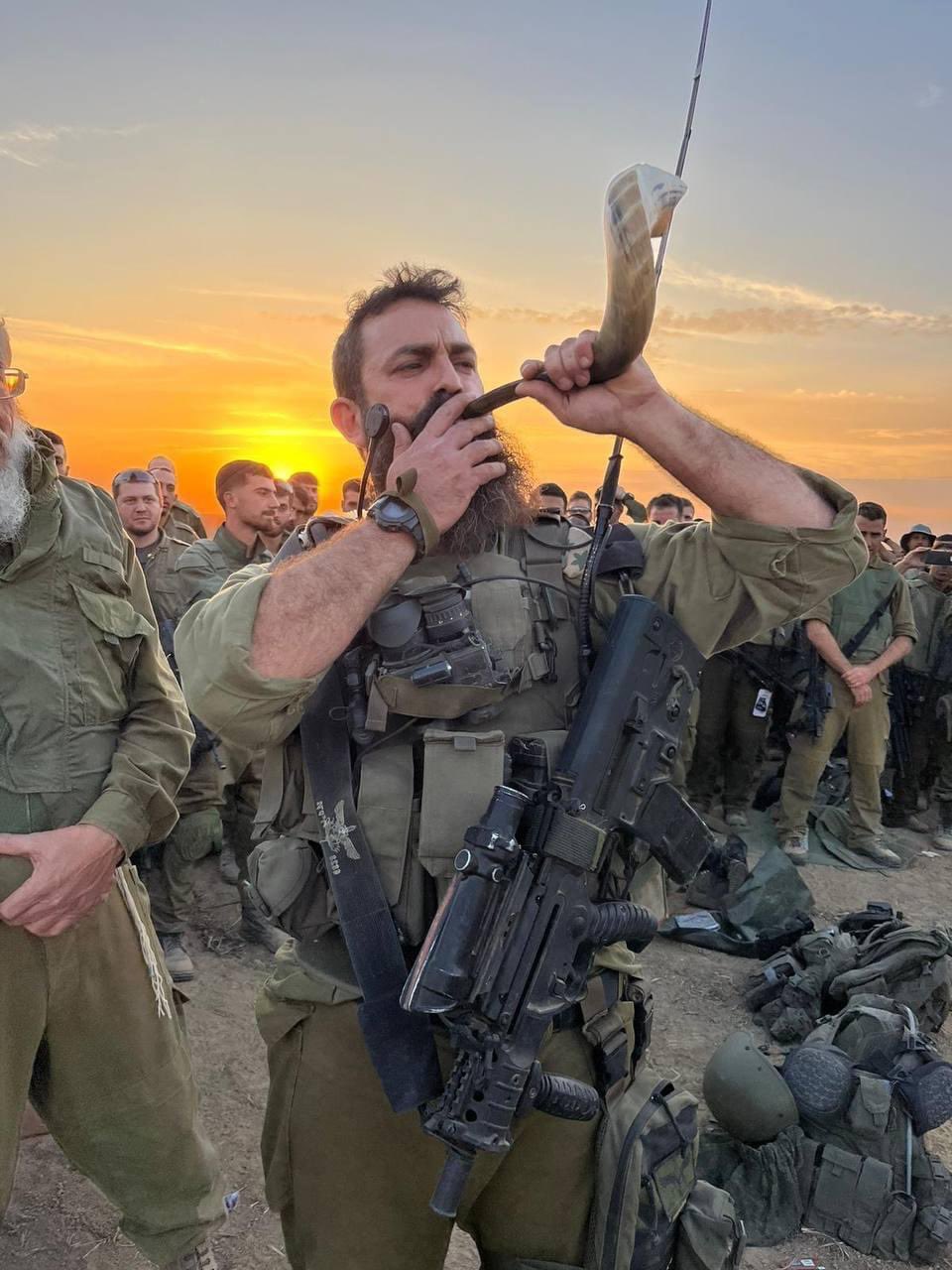
In the days following the attacks of October 7, I had the privilege to visit Israel, including many of the cities down south—the communities that were struck so brutally by terrorists that day, among them Sderot and other towns near the Gaza border. The streets were filled with the evidence of what had occurred—shattered glass, twisted metal, and shell casings scattered along the sidewalks. Buildings were scarred, cars burned, and signs of destruction and carnage were everywhere. And yet, in the midst of it all, the sukkot were still standing. These structures, meant to have been dismantled, remained upright—empty, brittle, and ghostlike in their stillness, yet hauntingly alive in their defiance. They stood as mute witnesses to tragedy and as testaments to endurance. I later described that scene in Look Who’s Standing. The image of those sukkot refusing to collapse became, for me, a metaphor for our people themselves. They bore the weight of history and pain, yet they still stood. Those sukkot were more than wood and s’chach; they were statements of faith. They seemed to say, wordlessly, that even when everything collapses, something must remain standing.

That image has remained with me ever since. I can still picture the quiet stillness of a neighborhood after Sukkos—the chairs folded, the walls left standing, the branches dry and brittle but still reaching upward. It is impossible not to think of our people in that image—the collective sukkah that somehow, through all the storms of history, remains standing. Those sukkot in Sderot became more than remnants of a holiday. They became sacred symbols of resilience, fragile yet unbroken, witnesses to the enduring shelter of Hashem.

And perhaps that is why October 7 and Sukkos are now bound together. On the surface, it seems we must find a way to reconcile joy and grief, to somehow celebrate despite what happened. But maybe the truth is that we celebrate because of what happened—not because suffering itself is good, but because it reveals what is unshakable. The sukkah was always meant to teach us that joy is not found in permanence but in presence, not in certainty but in surrender. When everything feels unstable, and yet we are still able to sit beneath the stars, under the open sky, surrounded by family and friends, to invite guests and to sing, we experience something profoundly real. Coming as it does after the Days of Awe, when we have achieved a rare clarity of perspective, Sukkos allows us to seize that clarity—to capture it and to live within it. That is the essence of Zman Simchaseinu: to dwell in the sukkah and to feel the peace that comes from knowing we are held, protected, and never alone.

This year, as we step into our sukkos, we do so differently. We carry the memory of October 7 with us. We remember what it means to lose, to fear, to ache. But we also remember the sukkah that still stands, the fragile shelter that somehow holds steady against the wind. Our joy this year is quieter, more reflective, but perhaps deeper than ever before. It is not naive joy but steadfast joy. Not a joy that forgets pain, but a joy that grows out of it. Zman Simchaseinu this year is not about being happy because all is well. It is about being at peace because, even when all is not well, Hashem is still with us. In the fragile shelter beneath the open heavens, we rediscover what it means to stand.

A World Crying Out for Repair

Twenty-four years ago this week, in the days after 9/11, I stood in shul and tried to put into words what felt unspeakable. I remember describing the darkness, the paralysis, the sheer inability to process the enormity of what had happened. Evil in its purest form had broken into our lives, and we were left numb and ashamed at what humanity was capable of.

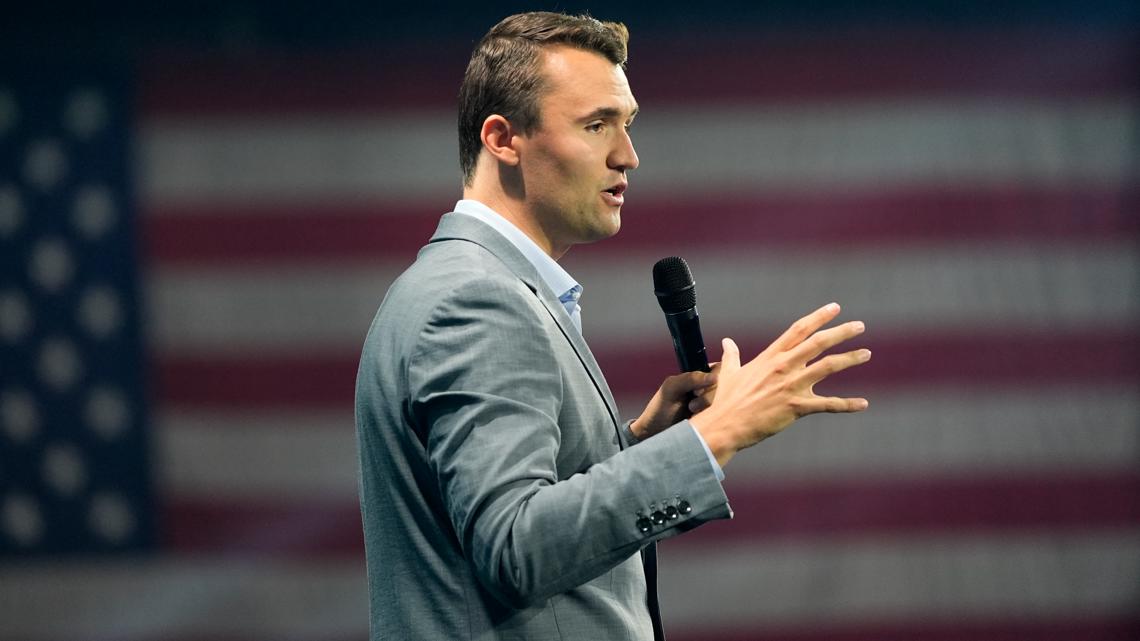
At this moment, in the aftermath of the assassination of Charlie Kirk, I feel a similar horror rising again. A young man, a voice of clarity, hope, and conviction for so many, murdered in broad daylight — a political killing in America. It is staggering. It is enraging. It exposes in the most brutal way the fractures and sickness that run through our society.

Rosh Hashanah is only days away. During this time of year, we reflect on the “Book of Life” and how uncertain our fates truly are. Those words often seem abstract, but in moments like this, they crash down with unbearable force. Life is, in fact, so fragile. We wake up in the morning, assuming we will have the evening. We go about our routines unaware of how thin the line really is between stability and chaos, between life and death.

This is not a moment for platitudes. It is a moment of despair, of outrage, of grief for a life stolen and for the world that made such a crime possible. But if there is any response worthy of the season we are in, it is to insist that despair not be the last word. Rosh Hashanah is not only about the awe of judgment — it is about the possibility of renewal. It is about the world we beg for: a world of justice, of compassion, of peace.

The assassination of Charlie Kirk is a massive tragedy in its own right. But it is also a mirror — reflecting back to us how deeply torn and broken our public life has become. It should shake us not only because a courageous leader is gone, but because it forces us to confront what we have allowed our society to become.

On Rosh Hashanah we will recite words that feel almost unbearable in their urgency: “וכל הרשעה כולה כעשן תכלה, כי תעביר ממשלת זדון מן הארץ…” “All wickedness will vanish like smoke, when You remove the rule of evil from the earth.”

These words don’t feel distant this year. They feel like a cry. A broken world, once again marked by senseless blood, by hatred that has gone too far. They remind us how much is broken, how much has been lost, and how badly we need repair.

And yet, even in the heaviness, we cling to the faint but urgent demand of these words — that wickedness not be the last word, that cruelty not be the only story we tell. The pain is raw, the fractures are deep, but these words also insist that another world is possible. Not easily, not automatically, but only if we refuse to grow numb, only if we choose to see in this tragedy not just loss but also the call to change.

That is the task of this season, and of this moment: to stand in grief, to name the brokenness honestly, and still to refuse to give up on the possibility of a repaired world.

Sleep Is the Rival: Netflix Knows It, Selichos Answers It

A few years ago, Netflix CEO Reed Hastings was asked who his company’s number one competitor was. People expected him to say HBO or Amazon. Instead, he answered in one word: sleep. “We’re competing with sleep,” he said, “and we’re winning.”

It was meant as a clever business comment, yet the words strike closer to home than he may have intended. Sleep is not just Netflix’s competitor. Sleep is the force that pulls us away from awareness, from choice, from responsibility. It is the line between living awake and drifting through life half-conscious.

And that is exactly the tension of selichos.

There is something almost absurd about setting an alarm for 4:00 a.m. The house is still, the streets silent, the world wrapped in that heavy darkness that belongs only to the hours before dawn. And yet, beginning this Motzaei Shabbos, Jews across the world will gather for selichos. The first night begins at chatzos, but from then on, we set our alarms for the early hours, dragging ourselves out of bed long before daybreak.

But here is the paradox: wouldn’t it make more sense to pray at a time when we are awake, rested, and able to focus? Selichos demands that we come before Hashem in the very hours when concentration is hardest, when fatigue clouds the mind. On the surface, it feels almost like self-sabotage — deliberately weakening our capacity for the very prayers we are meant to say with intensity.

Our halachic tradition insists on this timing. The Rambam already describes Jews during the Ten Days of Repentance who would get up at night and pray in shul with words of pleading until daybreak. The Shulchan Aruch later codifies the practice, noting the custom to rise ba’ashmores to recite selichos and supplications. Mystical sources add that these hours are an et ratzon, a time of special divine receptivity. However one explains it, the message is clear: selichos belong not to the convenient hours, but to the ones when sleep feels most natural.

And so the question only deepens: why?

The Vilna Gaon, citing the Zohar, frames Yonah as more than a reluctant prophet, fleeing his mission. He represents the human soul — a neshama sent into this world, placed into the body like Yonah descending into the ship. From the very beginning, the soul tends to resist, to flee from responsibility, to run from the spiritual messages that demand growth and change.

But running does not free it from accountability. The Zohar explains that the storm that strikes Yonah’s ship is din — judgment, the inescapable reckoning that follows us wherever we go. However much a person tries to hide, there comes a moment when Hashem’s demand for responsibility cannot be ignored.

And yet, when the storm breaks, Yonah goes to sleep. Instead of facing his accountability, he retreats. That is the human tendency the Zohar is exposing: to close our eyes precisely when we most need to awaken.

Then the captain shakes him with words that echo across centuries: מה לך נרדם? קום קרא אל אלוקיך! — “How can you sleep? Get up, call to your God!”

The captain, says the Zohar, is the yetzer tov, the inner voice of conscience that tries to rouse us before it’s too late. His questions — What is your work? Where do you come from? What is your land? Of what people are you? — are not small talk. They are existential. Who are you? What have you done with your years? What is your destiny? Where are you going?

It is deeply significant that we read Sefer Yonah on Yom Kippur afternoon, at the height of the Yamim Nora’im. Yonah is not a distant character. He is us. And the captain’s cry is ours: מה לך נרדם?

And it is no coincidence that many communities begin selichos with those very words, recast as liturgy: בן אדם, מה לך נרדם? קום קרא בתחנונים. From the opening lines, we are thrust into Yonah’s world, forced to confront the same question: how can you possibly sleep now?

This theme continues throughout the season. On Shabbos or Yom Tov, sleep is a fulfillment of oneg Shabbos. But on Rosh Hashanah, the Rema records a striking custom: not to sleep during the day at all. Of all times, this is not a day for closing our eyes.

And then comes the shofar. The Rambam explains that while the mitzvah is a gezeiras hakasuv, there is also a message:

עורו ישינים משנתכם, ונרדמים הקיצו מתרדמתכם.
“Awaken, sleepers, from your sleep! Rouse yourselves from your slumber!”

The shofar is not a melody. It is an alarm. It does not soothe; it startles. But it is more than just a jolt of fear. It is a call to possibility. The Rambam continues: look carefully at your deeds, return in teshuvah, remember your Creator. In other words: do not waste your life in half-sleep. You were created for something greater.

The shofar awakens us not only to judgment but to dignity. It insists that our choices matter, that the balance of the world can tip with a single act, that our lives carry cosmic weight. It shakes us not to frighten us, but to remind us of how much we are capable of becoming.

And so we return to selichos. We rise at midnight, or at four in the morning, precisely when it is hardest to rise. We gather in shuls heavy with silence, whispering Ashrei into the darkness. The practice itself dramatizes the question: how can you sleep?

Each tired body in the room is a living answer. Yes, we would rather sleep. Yes, the hour is absurd. But no — we will not close our eyes while the storm rages, while judgment hovers, while the King approaches His throne. We will not miss the moment.

And if we can rise in those hours, if we can choose wakefulness over slumber when it is hardest, then we know we can choose it the rest of the year as well. The alarm of the shofar, the cry of the captain, the liturgy of selichos — they are all saying the same thing: you can wake up. You can live awake. You can change the ending of your story.

בן אדם, מה לך נרדם?

Six Years Later: The Camp Test We Keep Ignoring

In August 2019, I published my reflections on a remarkable scene I had just witnessed at Camp Morasha. Campers arrived for the summer tethered to their phones, eyes fixed on their screens as they prepared to step off the bus. But moments later, as they handed them in, the change was not gradual, not subtle — it was instant and it was palpable. Witin minutes, shoulders dropped, eyes lifted, and conversations began. That original article can be read here:
https://stepaheadcounseling.com/2019/08/20/surviving-and-thriving-without-screens/

This wasn’t a staged experiment — it was a real moment we witness at camp every summer. On opening day, buses pull in carrying hundreds of campers, many of whom have spent the entire ride with their eyes glued to their phones. These devices are constant companions throughout the year — in bed, at the table, on the way to school, between classes, on the sidelines. And then, before a single bag is unpacked, the phones are gone.

A 15-year-old who spent the bus ride frantically texting suddenly notices the lake. Within an hour, she is teaching younger campers to skip stones. By evening, she is leading a spontaneous sing-along on the porch, something that would have been impossible with a phone buzzing every thirty seconds.

A staff member recently shared that a group of teenage boys spent an entire evening in deep conversation about God and free will, the kind of meandering discussion that simply does not happen when a screen is within arm’s reach, ready to interrupt or offer an easy escape.

The Laboratory Results

Camp may not mirror everyday life but it is the perfect laboratory for seeing how screens shape young minds. Among our nearly 1,000 campers are kids from every background, some whose screen use is closely monitored and others with virtually no limits. Our experience is not unique. Talk to camp directors and staff across the country and you will hear the same thing: take away the devices and kids do not just survive, they come alive.

Not surprisingly, these observations align perfectly with new research published in JAMA Psychiatry this summer. Researchers followed 4,200 children over four years and found that “addictive patterns of use, where devices interfere with sleep, school, and real-world relationships, most strongly correlate with poor mental health outcomes, including suicidal ideation and self-harm.” Full article:
https://mindsitenews.org/2025/07/21/avoid-giving-smartphones-to-children-research-says/

We have known this for years. Each summer we watch fractured attention, disconnection, and exhaustion fade almost as soon as the phone is gone.

When I first wrote about this in 2019, smartphone addiction was already a growing concern. Today it is pervasive. The average age for first-time smartphone ownership has dropped to 10.3 years and social media algorithms are even more aggressive in capturing attention. For many kids, uninterrupted conversation or sustained focus is almost unheard of during the school year.

The contrast at camp is now even sharper, like stepping from a windowless room into full sunlight.

The Path Forward: Collective Action

We can no longer treat this as a private decision for each family. The pressures are as much social as they are personal. A child whose parents limit phone use will almost certainly feel isolated if every peer is glued to a screen. Navigating social differences is part of growing up, but this may be a burden we should not expect our children to carry.

Real change requires coordinated community action, and we are starting to see it work. This fall, five Bergen County yeshiva high schools, Frisch, TABC, Ma’ayanot, Heichal HaTorah, and MTA, announced joint phone-free policies for 2025–26. By acting together, they eliminated the social stigma of being “the only school” with restrictions while prioritizing student attention and mental health. Read more about this exciting initiative here:
https://jewishlink.news/five-yeshiva-high-schools-announce-phone-free-policy/

Schools are one model, but they cannot do this alone. Shuls could make youth programming device-free. Sports leagues could require players to leave phones in a team basket during games and practices. Camps, youth groups, and community centers could host “no-phone nights” where kids know in advance that the only connections available will be face-to-face. Parent groups could form grade-level pacts to delay smartphone ownership until high school, and schools could create and enforce phone-free zones during instructional time. Youth programs could offer activities that give kids permission to disconnect. Concerns about emergencies, schoolwork, and social isolation are real but manageable. Schools and camps have handled urgent situations for decades without personal devices. The best students are those who can focus without digital interruption, and the deepest friendships often form when phones are absent.

We Already Have Our Answer

Every summer, the teenager who seemed “addicted” to her phone in June is enthusiastically leading night activities in July. Friend groups that spent the school year communicating in emojis are suddenly swapping stories late into the night. Kids who couldn’t sit through a movie without checking notifications are now engrossed in hours-long board games.

We know what happens when children are freed from their devices because we have seen it repeatedly. Our children are not just capable of thriving without constant digital stimulation; they crave it.

And here is the deeper truth: they are offering us adults a gift. They are reminding us that we, too, need breaks from the constant ping of notifications, the endless scroll, the fractured attention we have come to accept as normal. When we free them, we create space to free ourselves.

Your child already knows how to have deep conversations about meaning and purpose. They already know how to create spontaneous joy with their peers. These capacities do not need to be taught; they need to be unleashed from the constraints we have allowed to take hold.

Every unanswered notification, every dark screen during a conversation, every moment of real eye contact is a quiet act of defiance against a culture that profits from our divided attention.

The magic our children find at camp should not be a brief escape from real life. It should be real life. Our children should not have to wait for summer to be free from the constant pull of their devices, to discover that they can not only survive without them, but truly thrive.

If Not Now, When?: On Aliyah, Fear, and the Courage to Ask the Right Questions

Earlier this week, I watched this thought-provoking video comparing electric cars to gasoline-powered ones. The speaker made a striking observation: if everyone drove electric vehicles, no one would ever seriously propose switching to gas. The idea would seem absurd—too noisy, dirty, and inefficient. We only accept gas cars as “normal” because that’s what we inherited.

The analogy struck me. For most Jews living outside of Israel—born and raised in America, Europe, Australia—the Diaspora is our “gas-powered car.” It feels familiar and manageable precisely because it’s what we know. But imagine if every Jew in the world lived in Israel. Would anyone seriously argue it was time to build new communities in New York, Paris, or Sydney? The suggestion would seem unthinkable. Yet because Diaspora life is our default, we view Aliyah as the radical departure.

This isn’t a call to pack your bags tomorrow. It’s an invitation to examine how we’ve internalized our circumstances—and whether we’re asking ourselves the hard questions.

Recently, an article by Hillel Fuld made waves across Jewish social media. Hillel is a proud warrior for our people, someone whose dedication to promoting Jewish interests and generating kiddush Hashem through his advocacy is beyond question (Hillel is also a close family friend). In his piece, written with passionate concern, he predicted an imminent, coordinated terrorist attack against Western Jews, warning it would happen within a month and spark mass Aliyah. He compared our current moment to 1935 Germany, pointing to rising antisemitism, anti-Israel marches, and growing public hostility.

I deeply respect not only Hillel’s commitment to our people but also the love and anguish that drives his warning. When someone who has devoted his life to Jewish advocacy sounds an alarm, it comes from a place of genuine fear for Jewish lives and authentic care for our collective future. His concerns reflect what many of us feel but hesitate to voice: that the ground beneath Western Jewish life is shifting in ways that feel increasingly precarious.

The signs Hillel points to are undeniably real and deeply troubling. Armed guards at Jewish schools have become standard. Shuls remain locked during services. University campuses have become hostile environments for Jewish students. Public antisemitism has shed its traditional shame and become increasingly brazen. Jewish families across America, Europe, and Australia are having conversations about safety and a future that would have seemed unthinkable just a few years ago. When a thoughtful person looks at these trends and feels compelled to warn others, that impulse comes from a place of profound love and responsibility.

Yet I believe that translating these legitimate concerns into confident predictions about specific attacks crosses an important line—not because the fears are invalid, but because we are not prophets, and the stakes are too high for us to pretend to be.

Even if such an attack were to occur, it wouldn’t vindicate the prediction. Tragedy doesn’t transform anxiety into prophecy, or intuition into divine insight. Judaism teaches us to read signs and remain vigilant, but also to be humble about what we can and cannot know.

Here lies the profound challenge: Hillel’s warning emerges from a place of genuine love and legitimate concern, yet both extremes—paralyzing fear and willful complacency—can prevent us from asking the question that actually matters: What are we waiting for?

This question isn’t meant to trigger panic, nor is it meant to dismiss the very real anxieties that drive warnings like Hillel’s. It’s meant to serve as a mirror, reflecting how we’ve made peace with circumstances that, viewed objectively, are certainly less than ideal. We’ve normalized what Rav Meir Simcha of Dvinsk zt”l warned against: treating our place of exile as our permanent home.

Rav Meir Simcha zt”l, in his monumental work Meshech Chochmah, warned that in every land of exile, Jews find stability and prosperity before being displaced within one to two centuries. He was particularly troubled by German Jews who called Berlin their “little Yerushalayim.” America is approaching its 250th year. By any historical measure, we’ve exceeded the typical lifespan of Jewish diaspora communities.

This doesn’t mean catastrophe is imminent. It means the conversation is overdue.

Running Toward, Not Away

The families I know who are making or seriously considering Aliyah aren’t “running” from anything—they’re running toward something. Toward raising children who see Jewish sovereignty as natural rather than miraculous. Toward participating in a national project that feels generative rather than defensive. Toward aligning their daily lives with their deepest values rather than constantly negotiating between their Jewish identity and their surrounding culture.

This distinction matters profoundly, especially in moments like these when fear threatens to become our primary motivator. Aliyah driven by terror creates communities defined by what they’re fleeing—reactive, defensive, always looking over their shoulders. Aliyah driven by vision and aspiration creates communities defined by what they’re building—confident, creative, focused on contribution rather than survival.

I understand why Hillel’s warning resonates with so many. When we see the trajectory of antisemitism, when we witness the normalization of anti-Jewish sentiment in spaces that once felt safe, the impulse to sound an alarm comes from the deepest place of Jewish responsibility. Yet precisely because the stakes are so high, we must be careful not to let crisis thinking override the deeper work of discernment.

When we frame Aliyah only in crisis terms, we rob it of its dignity and appeal. We make it seem like a desperate last resort rather than a meaningful choice. We replace the natural process of discernment—weighing values, dreams, and practical considerations—with the artificial urgency of an emergency evacuation.

Here’s what I’ve learned from countless conversations: nobody makes Aliyah with a perfect plan. The numbers never fully add up. The questions never get completely answered. What happens instead is simpler and more profound: it becomes time.

For some people reading this, that time may be now. For others, it may be years away, or never. Both responses can be legitimate, thoughtful, and rooted in genuine values. The key is engaging with the question honestly rather than dismissing it reflexively.

If not now, when? isn’t meant to pressure or manipulate. It’s meant to create space—space to dream, to plan, to consider what kind of Jewish future we want for ourselves and our children.

We live in a moment of profound complexity. There is real beauty, safety, and vibrancy in Diaspora Jewish life that deserves recognition and celebration. But there are also unmistakable signs that the ground beneath us is shifting. Political hostility toward Jews and Israel is rising in ways that would have seemed unimaginable just a decade ago. Cultural norms that once seemed unshakeable now feel fragile. Many thoughtful Jews—people like Hillel—are asking whether it’s still wise to build long-term futures in the West, and for those who aren’t asking these questions, perhaps it’s time to begin.

These questions aren’t paranoid or alarmist—they’re historically informed and entirely reasonable. Hillel’s concerns deserve to be taken seriously, not dismissed as fear-mongering. But the answers cannot come from terror alone, nor from someone standing on a metaphorical rooftop declaring we have thirty days left. The gravity of the situation demands the opposite: deeper wisdom, more careful discernment, and decision-making rooted in vision rather than dread.

The answers have to emerge from within each of us—from serious reflection, spiritual consideration, and honest assessment of our values and priorities. Even when that reflection is motivated by concern, it should be guided by wisdom, not dread.

The Gemara in Shabbos 31a teaches that when we leave this world, Hashem will ask each of us six questions, one of which is: “צפית לישועה?—Did you yearn for redemption?” Yearning isn’t abstract sentimentality. It’s planning. Considering. Opening your heart and your life to possibilities that align with your deepest convictions.

If not now, when?

Not because the sky is falling, but because the soul is calling. Not because we must flee, but because we might choose to build. Not (only) because the time is running out, but because the time to ask—really ask—might just be now.

The question won’t disappear by ignoring it. And it deserves better than fear-based ultimatums or comfortable deflection. It deserves the dignity of serious consideration, guided by faith rather than anxiety, by vision rather than dread.

And so, let us ask ourselves, what are we waiting for?

Be an Observant Jew: Learning to Notice What’s Right in Front of Us

Sometimes the most powerful moments in the Torah are the quietest ones—the ones that don’t announce themselves with drama, but sit just beneath the surface, waiting to be noticed. One such moment appears in Parshas Pinchas, when Hashem tells Moshe Rabbeinu that his time is nearing its end. His siblings, Aharon and Miriam, have already passed on. Now it is his turn.

Although we won’t actually read of Moshe’s death until the very end of the Torah, this is the beginning of that process. What’s striking isn’t just the moment itself—but Moshe’s response. The pasuk says:

וידבר משה אל ה׳ לאמר
And Moshe spoke to Hashem, saying.

It reverses the familiar pattern:

וידבר ה׳ אל משה לאמר
And Hashem spoke to Moshe, saying.

Moshe doesn’t ask for more time. He doesn’t focus on himself at all. He turns immediately to the needs of the people and demands that a successor be appointed. A leader who will walk with them, guide them, and not abandon them.

What follows is essentially the Torah’s first recorded job description. Moshe describes the kind of leader the people need—there was no search committee, no focus groups, no resumes submitted. This was a moment of pure transmission and trust. And yet, someone who will go out before them and come in before them, someone who will truly accompany them in their lives. And Hashem answers: Yehoshua. He will be the one.

The Gemara in Bava Basra (75a) describes how Moshe is instructed to confer a measure of his spiritual brilliance upon Yehoshua—not to make him a replica, but to allow him to shine in his own right, through the light he had received:

ונתת מהודך עליו
And you shall give from your splendor upon him.

Not all of it. Just some. And the elders of the generation, upon seeing Yehoshua’s face compared to Moshe’s, declare:

פני משה כפני חמה פני יהושע כפני לבנה
The face of Moshe was like the face of the sun, the face of Yehoshua was like the face of the moon.

And they said:

אוי לאותה בושה אוי לאותה כלימה
Woe to that shame, woe to that disgrace.

At first glance, it seems like a lament over decline. A mourning of what’s been lost. Moshe is the sun—powerful, self-generating, impossibly bright. Yehoshua is the moon—he reflects what he has received. Beautiful, but dimmer.

But perhaps there’s another explanation. The Chafetz Chaim, as cited by his son, offered a different lens. He asked: Are the elders really expressing disappointment in Yehoshua? Isn’t he worthy? Wasn’t he the one who, as the Torah tells us,

לא ימיש מתוך האהל
He did not depart from within the tent?

No, said the Chafetz Chaim. Their cry—אוי לאותה בושה אוי לאותה כלימה—was not aimed at Yehoshua at all. It was an expression of self-reproach, a piercing recognition of their own missed opportunity. Yehoshua was not born radiant. He became radiant through devotion. Through presence. Through years of unglamorous, persistent learning, watching, listening, following.

And they realized: We could have done that too.

It’s the ache of a missed opportunity. Not because greatness wasn’t available—but because they hadn’t stepped forward to claim it.

Rav Shlomo Wolbe z”l, in Alei Shur, explains in depth the concept of hislamdus—a word that roughly means “the art of learning from everything.” A person who lives with a posture of hislamdus doesn’t just learn from formal teachers or elite sources. He learns from life. From people. From encounters. From unexpected places. You don’t need to be a genius or a tzaddik to grow. You just need to be someone who pays attention.

Rav Wolbe anchors this in the teaching of Chazal:

איזהו חכם הלומד מכל אדם
Who is wise? One who learns from every person.

The truly wise are not those with the best teachers, but those who are always learning—because they are always looking.

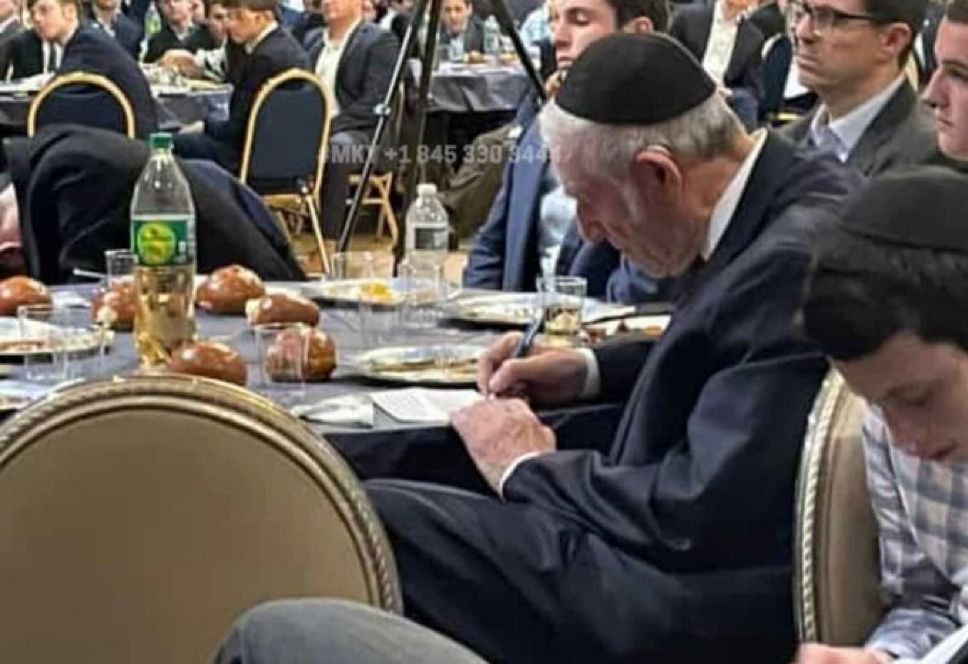
My father-in-law, Rabbi Benjamin Yudin, is a master of this kind of attentiveness. I’ve seen him do this not only at bar mitzvahs and sheva brachot, but even during school Chumash plays. Wherever there’s a possibility that a new Torah insight might be shared, his ears are perked. He listens with full presence and jots down anything that resonates—always alert, always curious. I don’t know what happens to those pieces of paper afterward. But that moment—of respect, of curiosity, of presence—says everything. There is a bikush there.

There is a kind of observant Judaism that has nothing to do with halachic observance and everything to do with attentiveness. An observant Jew, in that sense, is one who observes. Who watches. Who learns. Who notices the moonlight—because he knows it must have come from the sun.

What made Yehoshua worthy was not brilliance. It was his willingness to be present. And what made the elders feel busha and klima was not Yehoshua’s superiority—but their own absence.

The Three Weeks is a time for reflection. Not just national mourning—but personal introspection. And maybe one of the hardest truths to face is not what we’ve lost, but what we’ve walked past. What we could have seized, but didn’t. Who we could have learned from, had we only drawn closer. The greatness that was available… if only we had stayed in the tent a little longer.

We can’t go back. But we can shift our posture now. We can become more present. More curious. More observant.

And we can begin—right now—to reflect more light.

When the Trumpets Sound: Recognizing Hashem’s Voice in Our Lives and in History

Following the launch of Israel’s Operation Am K’Lavi—a bold preemptive strike against Iranian military and nuclear targets—Jewish communities worldwide found themselves seeking to understand this pivotal moment through the lens of Torah. There are rare moments in history when silence becomes both irresponsible and a missed opportunity—times when failing to address what is unfolding around us risks spiritual disconnection and neglects the responsibility to understand contemporary events through Torah wisdom. The significance and weight of such events demand a spiritual response, one that can be found in Parshat Beha’aloscha and its teaching about the chatzrotzros, the silver trumpets.

The chatzrotzros described in this past week’s parsha offer precisely such a framework, providing insight into how Jews should respond to pivotal moments in history.

The Torah outlines four distinct situations when these trumpets must be sounded:

1. For Communal Assembly
עשה לך שתי חצצרות כסף והיו לך למקרא העדה
“Make for yourself two silver trumpets and they shall be for you to call the congregation” (Bamidbar 10:2)

2. For Mobilizing the Camps to Travel
ולמסע את המחנות
“and for the journeying of the camps” (Bamidbar 10:2)

3. For War and Distress
וכי תבאו מלחמה בארצכם על הצר הצרר אתכם והרעתם בחצצרות ונזכרתם לפני ה’ אלקיכם ונושעתם מאיביכם
“When you go to war in your land against an adversary who oppresses you, you shall sound short blasts on the trumpets, and you shall be remembered before Hashem your Hashem, and you shall be saved from your enemies” (Bamidbar 10:9)

4. For Joy and Celebration
וביום שמחתכם ותקעתם בחצצרות והיו לכם לזכרון לפני אלקיכם
“On your joyous occasions you shall sound the trumpets and they shall be a reminder for you before your Hashem” (Bamidbar 10:10)

These four categories encompass the full spectrum of human experience: daily function, transition, crisis, and celebration. In each situation, the Torah instructs the sounding of chatzrotzros—an alarm that awakens religious awareness and connection.

It seems to me that this consistency reveals the deeper purpose of the trumpets: they are designed to redirect consciousness toward Hashem at every moment of life. Whether gathering for routine communal business, embarking on a journey, facing mortal danger, or celebrating joyous occasions, the chatzotzrot serve as a spiritual reset button—a divine interruption that pulls humanity back from the autopilot of daily existence.

In times of war and distress, this divine redirection becomes especially crucial. The Rambam explains that the purpose of sounding the alarm during crisis is fundamentally about maintaining connection to Hashem:

דבר זה מדרכי התשובה הוא בזמן שתבא צרה ויזעקו עליה ויריעו ידעו הכל שבגלל מעשיהם הרעים הורע להן אבל אם לא יזעקו ולא יריעו אלא יאמרו דבר זה ממנהג העולם הרי זו דרך אכזריות
“This is part of the ways of repentance. When trouble comes and they cry out over it and sound the alarm, everyone will know that because of their evil deeds, evil has come upon them. But if they do not cry out and do not sound the alarm but instead say ‘this is just the way of the world’ this is a path of cruelty” (Hilchos Ta’anis 1:1-3)

The Rambam warns that treating crisis as mere coincidence—attributing events to random chance or natural causation alone—is derech achzariyus, a form of cruelty. The cruelty lies not just in ignoring suffering, but in allowing drift into a godless worldview where events have no spiritual meaning.

When failing to sound the trumpets in times of crisis, there is risk of losing sight of divine providence entirely. This leads to seeing oneself as an autonomous actor in a random universe rather than a participant in a divinely orchestrated story. The chatzrotzros in times of distress serve as a lifeline back to spiritual awareness—a reminder that even the darkest moments are opportunities to recognize Hashem’s presence and relationship with the Divine.

This teaching challenges the common misconception reflected in the phrase “All we can do is pray,” as if prayer were a last resort after all practical options are exhausted. Such thinking reveals how divine connection has been unconsciously relegated to the margins of life.

Prayer is not a fallback—it’s recognition that Hashem is present in every moment, crisis and calm alike. It represents the primary relationship with reality itself. Prayer doesn’t compete with practical action; it transforms understanding of what practical action means.

The Jewish response to uncertainty, fear, and hope is through teshuvah, tefillah, u’tzedakah (repentance, prayer, and charity). This is the modern sounding of the chatzrotzros—the contemporary way of redirecting consciousness toward the Divine presence that underlies all circumstances.

Just as the ancient trumpets called ancestors to awareness in every situation, these spiritual practices serve as wake-up calls, ensuring that no experience—whether mundane or dramatic—passes without the opportunity to recognize Hashem’s hand in human affairs.

Though silver trumpets are no longer physically blown, their spiritual pattern of divine redirection continues in every category of human experience. The chatzotzrot are sounded not only during national crises but in personal battles too—job loss, illness, family struggles. Life transitions, personal challenges, communal celebrations—all are moments that demand looking upward and recognizing that these experiences are not navigated alone.

The genius of the chatzrotzros system is that it trains recognition of Hashem in the ordinary as much as the extraordinary. A community meeting is not just bureaucracy—it’s an opportunity to recognize divine guidance in collective decision-making. A journey is not just logistics—it’s a chance to acknowledge that steps are directed by providence. A celebration is not just personal achievement—it’s recognition that joys flow from divine blessing.

This constant redirection toward Hashem prevents what might be called “spiritual compartmentalization”—the modern tendency to reserve religious consciousness for synagogue while treating the rest of life as secular. The trumpets insist that there is no secular realm, only varying degrees of awareness of Hashem’s presence.

A Vision of Unfolding Redemption

Although Tishrei is still months away, it seems like the right time to call attention to the prayers of Malchuyot, which speak to this moment with startling relevance:

ובכן תן פחדך ה’ אלהינו על כל מעשיך ואימתך על כל מה שבראת וייראוך כל המעשים
“Therefore, place Your awe, Hashem our Hashem, upon all Your works and Your dread upon all that You have created, so that all works will revere You”

ובכן תן כבוד ה’ לעמך תהלה ליראיך ותקוה טובה לדורשיך ופתחון פה למיחלים לך
“Therefore, grant honor, Hashem, to Your people, praise to those who revere You, good hope to those who seek You, and confident speech to those who await You”

ועולתה תקפץ פיה וכל הרשעה כלה כעשן תכלה כי תעביר ממשלת זדון מן הארץ
“Iniquity will shut its mouth, and all wickedness will vanish like smoke, when You remove the dominion of evil from the earth”

וידע כל פעול כי אתה פעלתו ויבין כל יצור כי אתה יצרתו ויאמר כל אשר נשמה באפו ה’ אלוקי ישראל מלך ומלכותו בכל משלה
“Every creature will know that You created it, every formed being will understand that You formed it, and everything with breath in its nostrils will say: Hashem, Hashem of Israel, is King, and His sovereignty rules over all”

These are not distant aspirations but descriptions of a process already underway. What unfolds before our eyes appears to be precisely this divine transformation in action.

The current moment reflects the gradual fulfillment of the vision articulated in our most sacred prayers. Evil regimes that seemed unshakeable find their foundations crumbling as ומעביר ממשלות זדון מן הארץ – “and removes evil kingdoms from the earth” – manifests before our eyes. Authoritarian powers that once operated with impunity in shadows are being exposed and confronted by forces they cannot comprehend or control.

Simultaneously, the world is beginning to recognize what it long refused to see: the significance of the Jewish people and the Jewish state. Where once Israel stood isolated and misunderstood, increasingly there is acknowledgment of its role as a force for justice and moral clarity in a chaotic world. This recognition comes not through Jewish self-promotion but through the inexorable workings of truth itself.

The Jewish people’s capacity for self-defense continues to strengthen, both militarily and morally. Where once Jews were passive victims of history, they now serve as active agents of divine transformation—not through domination, but through the modeling of righteousness in the face of evil. This evolution represents more than mere political or military success; it suggests the fulfillment of the ancient promise that righteousness will ultimately prevail.

Marching Toward Redemption

This is not passive waiting for some distant messianic age. This is active participation in redemption’s unfolding. Each moment of moral clarity, each act of justified defense, each choice to respond to crisis through spiritual awareness rather than purely secular calculation contributes to the steady march toward the perfection of the world under divine sovereignty.

The strength Israel demonstrates is not merely military but moral—the strength to act with precision and purpose while maintaining ethical boundaries that distinguish it from its enemies. This distinction becomes increasingly apparent to a watching world, as the contrast between forces of construction and destruction grows ever sharper.

The trumpets continue to sound, calling attention to this unfolding transformation. They remind us that current events are not random occurrences but chapters in the larger narrative of cosmic redemption. Each day brings new evidence of evil’s exposure and righteousness’s ascendancy. Each act of Jewish strength and moral clarity serves not merely Jewish interests but the interests of a world that desperately needs examples of how divine will can be actualized through human agency.

We witness the gradual materialization of the Aleinu vision: וכל בני בשר יקראו בשמך “and all flesh shall call upon Your name.” Not through coercion but through recognition. Not through conquest but through the irresistible power of truth revealing itself in history.

I do not presume to be able to interpret these events through any semblance of a prophetic lens, but still we must pay attention as these events unfold. In our prayers, we speak of צמיחת קרן—the sprouting of the horn—a metaphor used by Chazal to describe the gradual emergence of the מלך המשיח and the unfolding of the Messianic age. It is a process similar to that of the growth of a tree: imperceptible in real time, yet clearly observable in hindsight.

The Jewish people’s evolution from powerless victims to confident defenders represents more than a political transformation—it embodies the theological truth that evil cannot ultimately triumph over good, that falsehood cannot permanently obscure truth, that those who align themselves with divine purpose will find strength beyond their own.

This moment calls for recognition that we stand not at the beginning of some distant redemptive process, but well along the path of its fulfillment. The work of perfecting the world continues, but the trajectory is clear, the momentum building, the vision crystallizing into reality before our eyes.

The Continuing Call

The message of the chatzrotzros—those silver trumpets that summoned the people to attention in war and peace, sorrow and joy—remains eternally relevant. They called not only to action but to awareness.

That call hasn’t been silenced; it sounds differently now. Today it may come through prayer, renewed commitments, conversations with children, or quiet resolve to hold steady in the face of uncertainty.

The work of awakening the world is not finished. But perhaps it has already begun in ways more profound than can yet be fully comprehended. Each generation contributes its part to the larger project of revealing divine truth through human history.

May there be careful listening. May there be faithful response. And may this generation be privileged to participate in a story that continues to unfold with dignity, purpose, and ultimate redemption.

May we merit to witness speedily the גאולה שלמה ואמיתית, the complete and true redemption, when all the world will recognize the sovereignty of the Almighty, and the ancient promise will be fulfilled: ה’ אלוקי ישראל מלך ומלכותו בכל משלה—Hashem, God of Israel, is King, and His sovereignty rules over all.


This essay is adapted from a derasha given at Congregation Beth Aaron, Parshas Beha’aloscha, 5785.

KeLavi Yakum: Rising in Defense, Rising in Prayer

In the dead of night, as most of the world slept, the State of Israel rose like a lion.

Operation Am KeLavi — “Like a lion does it rise” — is already the largest Israeli military strike ever carried out against Iran. It is bold, unprecedented, and carries the weight of generations on its wings. Over 200 fighter jets launched more than 330 munitions against nuclear facilities, air defense systems, and senior military leaders deep in Iranian territory. The mission, according to Israeli officials, was designed not merely as a show of force, but as a necessary response to an existential threat — Iran’s accelerating nuclear ambitions, vast ballistic arsenal, and coordinated regional war plans through its proxies.

And yet, for those who listen closely, the power of this moment isn’t just in the jets or the missiles. It’s in the name.

Am KeLavi is not a term coined by strategists or speechwriters. It is taken straight from the Torah — from Bilam’s prophecy about the Jewish People: “הן עם כלביא יקום וכארי יתנשא” “Behold, a people that rises like a lion, that lifts itself up like a king of beasts” (Bamidbar 23:24).

The Gemara in Berachos (12b) teaches that Chazal originally considered incorporating the entire Parshas Balak into Krias Shema — specifically because of the words: “הן עם כלביא יקום וכארי יתנשא”. That single pasuk so deeply captured the essence of the Jewish people — a nation that rises with purpose and strength — that it nearly earned the entire parshah a place in the most central section of Jewish prayer. Ultimately, it was left out, not because it was unworthy, but because of tircha detzibbura — concern for burdening the congregation with additional length..

Still, the fact that this pasuk was even considered for such an exalted place in our tefillah is no small thing. It suggests that to rise like a lion — spiritually, morally, even physically — is central to our identity and part of our destiny.

Rav Soloveitchik z”l, in his 1956 landmark address Kol Dodi Dofek, reflected on the founding of the State of Israel as a moment of Divine opportunity — a knock from above that demands a response from below. In what he calls the second knock, he describes the miraculous survival and military success of the fledgling Jewish state:

“The tiny defense forces of Israel defeated the mighty Arab armies. The miracle of ‘the many delivered into the hands of the few’ materialized before our eyes.”

And in the fifth knock, Rav Soloveitchik speaks more directly to the meaning of Jewish sovereignty and military capability:

“Divine Providence has amazed our enemies with the astounding discovery that Jewish blood is not cheap! If the anti‑Semites describe this phenomenon as being ‘an eye for an eye,’ we will agree with them.”

These words echo loudly in our own time. The very name Am KeLavi announces to the world that Jewish dignity is defended. That the resolve of our nation is real. That our people will never again stand silently in the face of those who seek our annihilation.

Operation Am KeLavi is not just military. It is moral. It is the fulfillment of our nation’s duty to protect life, to stand guard against those who scheme destruction. It is also, in a way, a form of tefillah — not a whispered petition, but a thunderous declaration that Jewish destiny will not be undone.

We are taught to approach each day with the heart of a lion — להתעורר כארי לעבודת הבורא — to awaken like a lion to serve our Creator. And while that often means spiritual resolve, it sometimes means the unflinching readiness to act with ferocity when life itself is at stake.

Let us not be naïve. The coming days may be difficult. Drones are still flying. Sirens are still sounding. Families are stocking up on food and sheltering in place. But now is not a time for fear.

Now is a time for resolve.

As missiles fall, emunah must rise. As the world debates, we must anchor ourselves in clarity. And as our soldiers fly into enemy skies, we must lift our voices in tefillah — not as bystanders, but as a nation that rises, heart and soul, like a lion.

If ever there was a time to daven — truly daven — that time is now.

Rashi, commenting on “עם כלביא יקום”, teaches that Bnei Yisrael rise in the morning like lions — not to fight, but to seize mitzvos: to wrap themselves in a tallis, to recite Shema, and to wear tefillin. That’s how we rise. That’s how we push back. That’s how we bring strength into the world — through kavannah, consistency, and connection.

The battlefield may be thousands of miles away, but the front lines run through every shul, every home, every heart that clings to the truth that our tefillos matter.

Let us rise early. Let us rise with intention.
Let us rise keLavi — with urgency, with dignity, and with unwavering faith.
Like a lion.

“If a Jew Found It, He’ll Return It”

Over the past year or two, there’s been growing and justified concern about the troubling rise of antisemitism around the world. Much of the attention has focused on global dynamics that have little to do with what we’ve done and everything to do with who we are. That reality is painful, frightening, and deeply unjust.

At the same time, we have to acknowledge that, on a personal and human level, our behavior shapes how others perceive us. That doesn’t mean we’re responsible for their judgments — but it does mean we carry a responsibility to act in a way that reflects the values we hold and the people we aspire to be.

What happened to me today, though simple, gave me a moment to reflect. It doesn’t take away from the seriousness of the concerns we carry, but it did offer a different kind of clarity — a quiet reminder that even in small, everyday moments, we have the opportunity to represent something greater than ourselves. And sometimes, those moments can inspire hope — both in us and in others.

This past Friday, I visited someone in a hospital in New York City that offers valet parking. I handed over my car and went about my visit. When I returned home, much to my surprise, I noticed a phone sitting on my passenger seat. It wasn’t mine, and it was locked, so there was no way to identify its owner.

With Shabbos approaching, I brought the phone inside and set it aside. I noticed it again over Yom Tov, but was so distracted by the holiday that I forgot about it until this morning.

When I finally turned it on, I saw numerous missed text messages. Clearly, people were trying to reach the owner. Though I couldn’t access the messages, I noted the phone numbers and sent individual texts from my own phone:
“Hi, you recently texted someone whose phone I found in my car. If you know who it belongs to, please let them know I have it and would be happy to return it.”

Not long after, my phone rang. The voice on the other end was filled with relief and gratitude. He told me he’d figured he left the phone in someone’s car but had no idea whose. I apologized for the delay.

“Honestly,” he said, “I had already given up. Just yesterday I told my father I wasn’t going to keep trying.”

Then he added something unexpected: “I could tell you were Jewish — you have a Jewish accent.” (I’m still not sure what that means, but I let it pass.) When I confirmed that I was, he explained what had convinced him not to give up just yet.

His father had said: “You know, there’s a Jewish holiday going on right now. Maybe that’s why you haven’t heard anything. Aren’t there a lot of Jews who go to that hospital? If a Jew found it, he’ll return it.”

That was it. That simple confidence — that a Jew would do the right thing, even for a stranger — gave him the hope to wait just a little longer.

I’m not sharing this story to highlight any personal virtue. The truth is, returning a lost phone is basic human decency. Anyone reading this would have done the same. I’m sharing it because of what it reveals about the quiet power of kiddush Hashem — sanctifying Hashem’s name through our everyday actions.

It reminded me of the story of Shimon ben Shetach, whose students once bought him a donkey from a non-Jewish merchant. Hidden beneath the saddle, they discovered a valuable pearl. When they told their teacher he could now stop working — that this unexpected find had made him wealthy — his first question was: “Does the original owner know about it?”

When they answered no, he immediately told them to return it.

“I would rather hear people say, ‘Blessed is the God of the Jews,’ than keep all the riches of this world,” he said.

What happened to me wasn’t a test of integrity. It was an easy layup — the phone practically delivered itself into my car. But Shimon ben Shetach reminds us that sometimes doing the right thing requires real effort, or even sacrifice.

And people are always watching. As this phone owner’s father understood, they’re drawing conclusions — not just about us as individuals, but about our community and our values.

We live in a time when antisemitism surges from every direction, when our actions are scrutinized and our motives second-guessed. We should never have to prove our worth, but we can still choose to reflect the values we believe in, and perhaps even soften a world that’s grown cynical.

That father’s quiet trust didn’t come from nowhere. It was built on countless small acts by countless Jews, across generations, who chose to do right even when no one was watching.

The Gemara teaches that kiddush Hashem doesn’t always happen in the dramatic or heroic moments. It happens in the mundane — returning a lost item, keeping your word, dealing honestly, acting with restraint. It happens when we least expect it and when others least expect it from us.

We don’t have to live in fear of judgment or carry the weight of an entire people in every interaction. But we do have the gift of representing something greater than ourselves — of being part of a legacy of ethical responsibility that continues to shape how the world sees us.

The phone is on its way back to its owner. His faith in Jewish integrity has been quietly reinforced. And maybe, just maybe, the world became a little brighter today.

Of course, the world doesn’t always notice, but sometimes it does — and that matters

Do Not Disturb: The Sweet Sleep That Shaped Shavuos

Every year, as Shavuos approaches, Jews around the world prepare to stay up through the night in anticipation of receiving the Torah anew. For some, the late-night learning is a highlight of the Jewish calendar — a time of community, excitement, and spiritual renewal. For others, especially this year, the custom feels more challenging. The energy of a bustling beis midrash is hard to replicate in solitude. The snacks, the songs, the sense of occasion — they’re not as readily available when we’re on our own.

And yet, perhaps this moment presents a hidden opportunity. Because Shavuos, and in particular the minhag of staying up through the night, invites us to reflect on something much deeper than collective momentum. It invites us to ask not just “How can I stay up?” but “Why do we stay up?” And in that question lies a profound, and often misunderstood, spiritual insight.

The Custom, Not the Obligation

The first thing to clarify is that staying up all night on Shavuos is not a halachic obligation, found neither in the Gemara nor in Shulchan Aruch. The Magen Avraham, a classic commentary on the Shulchan Aruch, cites a passage in the Zohar that praises the practice of the “early chassidim” — not Chassidim in the modern sense, but deeply devout Jews of earlier generations — who stayed awake the night before Matan Torah to study Torah. That’s where the custom begins.

But why did they do this? The Magen Avraham offers a fascinating and somewhat unsettling answer: because Bnei Yisrael slept in on the morning of Matan Torah. According to the Midrash, Hashem had to wake them up for the most important moment in human history. Our nighttime learning, then, is framed as a tikkun — a correction or repair — for that ancient spiritual misstep.

But what really happened that night? Why did the generation of the Exodus, who had crossed the sea and seen open miracles, go to bed — and more astonishingly, oversleep — on the eve of revelation?

Sleep or Surrender?

The Midrash in Shir HaShirim Rabbah brings a startling metaphor. It likens Bnei Yisrael’s sleep to a woman who hears her beloved knocking but is reluctant to get out of bed. “I’ve already taken off my robe,” she says. “I’ve washed my feet. Must I rise again?” It’s a metaphor of intimacy, hesitation, vulnerability — and missed opportunity.

Even more curious is the Midrash’s comment that “שינת עצרת ערבה” — the sleep of Shavuos night was sweet, pleasant, almost irresistible. Why would the Midrash describe this sleep, of all nights, as particularly sweet? Shouldn’t it have been restless, electric with anticipation?

To unpack this paradox, we turn to the brilliant insight of Rav Chaim Yaakov Goldvicht z”l, the founding Rosh Yeshiva of Kerem B’Yavneh. In his Asufas Ma’arachos, Rav Goldvicht z”l re-reads this entire episode with a radically different lens.

The Case for Sleeping

According to Rav Goldvicht z”l, the sleep of Bnei Yisrael on that night wasn’t laziness. It wasn’t forgetfulness. It was a deliberate spiritual choice — and not an illogical one.

To understand it, we must consider a deeper idea in Chazal. The Gemara in Niddah famously states that a fetus in the womb is taught the entire Torah. When it emerges into the world, an angel touches its lips and all is forgotten. The Maharal explains that this isn’t just a poetic image. It reflects a spiritual truth: before birth, when the soul is not yet fully encased in the limitations of the body, it is uniquely attuned to Torah. Once it enters the physical world, the clarity vanishes — and the struggle begins.

This is part of a larger pattern. In this world, our souls are weighed down by our physical selves. There is tension between guf and neshamah, body and soul. Our task in life is to bring them into harmony. But the highest spiritual clarity — the unfiltered reception of truth — comes when the soul is partially free from the body.

That’s where sleep enters the picture.

Dreams, Prophecy, and Spiritual Bandwidth

Chazal refer to sleep as 1/60th of death. That’s not to scare us — it’s to point out that sleep represents a partial disengagement from the physical. When we sleep, our souls rise slightly, as if antenna are being raised, picking up spiritual signals we miss during the day. That’s why dreams can sometimes carry significance. That’s why, even in prophecy, most nevi’im received their visions in a dream-like state, semi-conscious and suspended between worlds.

Only Moshe Rabbeinu, the Torah tells us, received nevuah fully awake. He alone could experience the word of Hashem with open eyes, in full awareness. The Rambam underscores this in Hilchos Yesodei HaTorah: all other prophets dreamed; Moshe heard directly, face-to-face.

Except, remarkably, for one other moment.

At Har Sinai, the entire nation heard the voice of Hashem — “פנים בפנים דיבר ה׳ עמכם.” It was, by all accounts, a one-time exception to the rule. Every man, woman, and child reached the level of nevuah usually reserved for Moshe alone.

Bnei Yisrael’s Miscalculation

And now we return to Shavuos night. Rav Goldvicht z”l suggests that Bnei Yisrael, anticipating this overwhelming revelation, assumed it could only be experienced through a soul-based state. They believed that to receive the Torah — the deepest spiritual truth — they would have to sleep. Or at least prepare themselves through that same suspended state. After all, sleep is when the soul is most free, most receptive.

So they went to sleep.

It wasn’t negligence. It was a spiritual strategy.

They just got it wrong.

Because Hashem didn’t want them asleep. He wanted them awake. This was not to be a passive reception of divine truth, but a shared venture — a conscious partnership between heaven and earth, body and soul. He wanted us alert, trembling, hearts pounding, standing at attention. He wanted the Torah received not only by the soul, but through the body as well. A Torah that lives in the real world, not just the ideal one.

So He came early. He sounded the shofar. He woke them up.

The Night We Recharge

Rav Goldvicht z”l goes even further. He writes that sleep itself — every night — is a chance to receive shefa chaim, an influx of spiritual vitality. Just as we plug in our phones at night to recharge, so too our souls draw energy while we sleep. And perhaps that’s why the Midrash calls the sleep of Shavuos “sweet.” Because there is something real happening in the soul’s night journey. But that journey can’t replace waking commitment. It must fuel it.

On Shavuos, then, we don’t stay up as punishment. We stay up to signal that we are present. We are ready. We are here, in our bodies, in our limitations, but open to transcendence. We stay up not because we’re proving something, but because we are partnering with Hashem.

An Invitation, Not an Obligation

And so, as we approach Shavuos — whether or not we manage to stay up all night — let us approach the day with awareness. Whether we learn for one hour or ten, whether in a room full of people or by ourselves, the opportunity is the same.

To receive the Torah again. To feel that same partnership of body and soul. To accept not only the words of Hashem, but the invitation to bring those words into a complicated, imperfect, beautiful world.

Let’s remember that when we learn Torah, we aren’t just acquiring knowledge. We’re reconnecting to the Torah we once knew, before we were born. We are opening ourselves to an ongoing, eternal dialogue — פנים אל פנים — face to face, as much as our limited bodies allow.

This is why we stayed up all night. And why, in some form or another, we always will.