A World Crying Out for Repair

Twenty-four years ago this week, in the days after 9/11, I stood in shul and tried to put into words what felt unspeakable. I remember describing the darkness, the paralysis, the sheer inability to process the enormity of what had happened. Evil in its purest form had broken into our lives, and we were left numb and ashamed at what humanity was capable of.

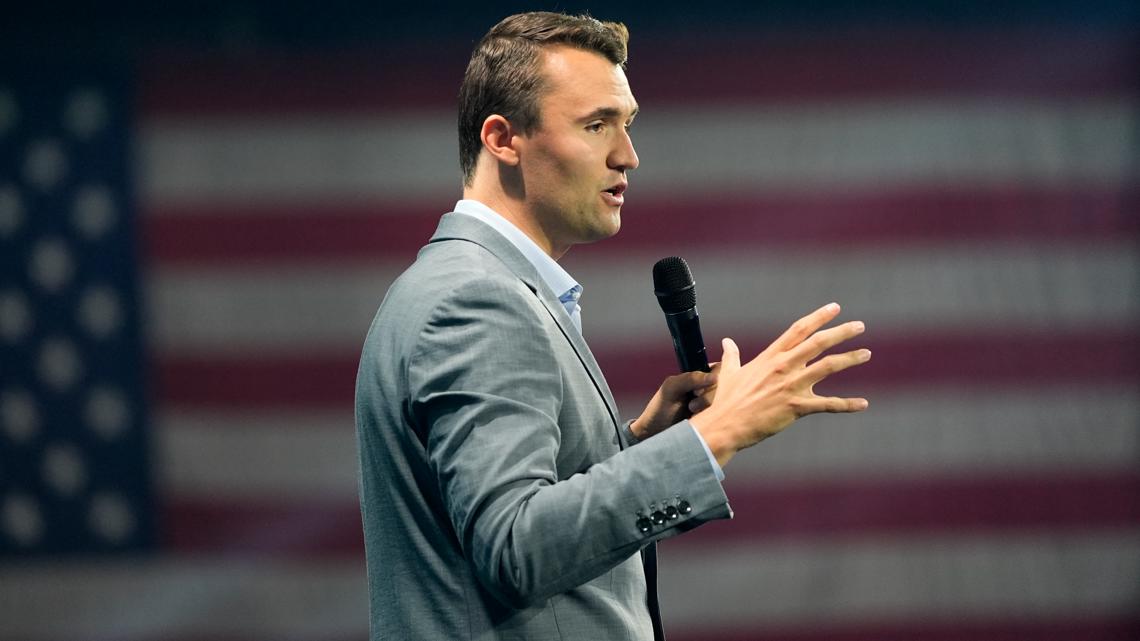
At this moment, in the aftermath of the assassination of Charlie Kirk, I feel a similar horror rising again. A young man, a voice of clarity, hope, and conviction for so many, murdered in broad daylight — a political killing in America. It is staggering. It is enraging. It exposes in the most brutal way the fractures and sickness that run through our society.

Rosh Hashanah is only days away. During this time of year, we reflect on the “Book of Life” and how uncertain our fates truly are. Those words often seem abstract, but in moments like this, they crash down with unbearable force. Life is, in fact, so fragile. We wake up in the morning, assuming we will have the evening. We go about our routines unaware of how thin the line really is between stability and chaos, between life and death.

This is not a moment for platitudes. It is a moment of despair, of outrage, of grief for a life stolen and for the world that made such a crime possible. But if there is any response worthy of the season we are in, it is to insist that despair not be the last word. Rosh Hashanah is not only about the awe of judgment — it is about the possibility of renewal. It is about the world we beg for: a world of justice, of compassion, of peace.

The assassination of Charlie Kirk is a massive tragedy in its own right. But it is also a mirror — reflecting back to us how deeply torn and broken our public life has become. It should shake us not only because a courageous leader is gone, but because it forces us to confront what we have allowed our society to become.

On Rosh Hashanah we will recite words that feel almost unbearable in their urgency: “וכל הרשעה כולה כעשן תכלה, כי תעביר ממשלת זדון מן הארץ…” “All wickedness will vanish like smoke, when You remove the rule of evil from the earth.”

These words don’t feel distant this year. They feel like a cry. A broken world, once again marked by senseless blood, by hatred that has gone too far. They remind us how much is broken, how much has been lost, and how badly we need repair.

And yet, even in the heaviness, we cling to the faint but urgent demand of these words — that wickedness not be the last word, that cruelty not be the only story we tell. The pain is raw, the fractures are deep, but these words also insist that another world is possible. Not easily, not automatically, but only if we refuse to grow numb, only if we choose to see in this tragedy not just loss but also the call to change.

That is the task of this season, and of this moment: to stand in grief, to name the brokenness honestly, and still to refuse to give up on the possibility of a repaired world.
Sleep Is the Rival: Netflix Knows It, Selichos Answers It

A few years ago, Netflix CEO Reed Hastings was asked who his company’s number one competitor was. People expected him to say HBO or Amazon. Instead, he answered in one word: sleep. “We’re competing with sleep,” he said, “and we’re winning.”

It was meant as a clever business comment, yet the words strike closer to home than he may have intended. Sleep is not just Netflix’s competitor. Sleep is the force that pulls us away from awareness, from choice, from responsibility. It is the line between living awake and drifting through life half-conscious.

And that is exactly the tension of selichos.

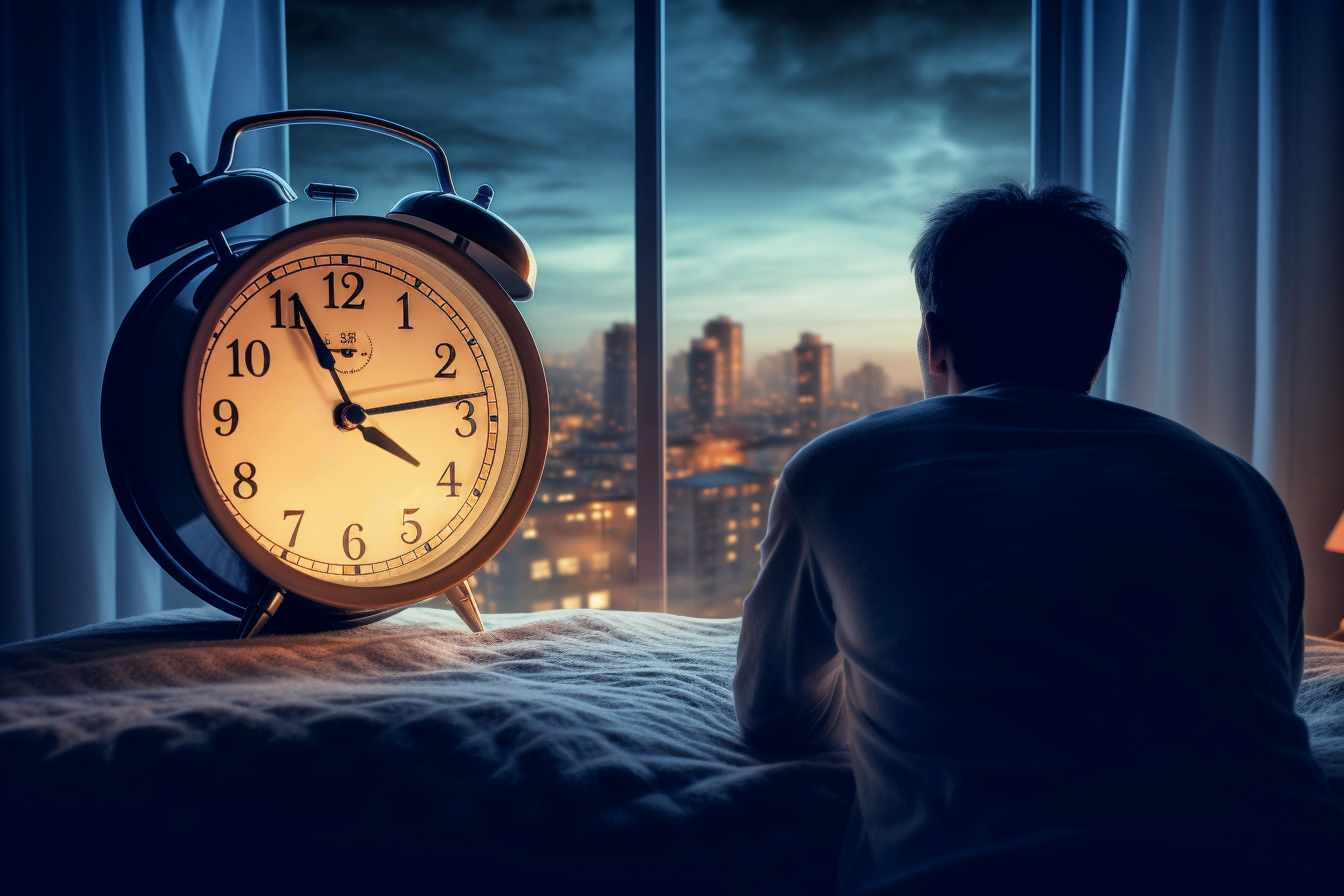
There is something almost absurd about setting an alarm for 4:00 a.m. The house is still, the streets silent, the world wrapped in that heavy darkness that belongs only to the hours before dawn. And yet, beginning this Motzaei Shabbos, Jews across the world will gather for selichos. The first night begins at chatzos, but from then on, we set our alarms for the early hours, dragging ourselves out of bed long before daybreak.

But here is the paradox: wouldn’t it make more sense to pray at a time when we are awake, rested, and able to focus? Selichos demands that we come before Hashem in the very hours when concentration is hardest, when fatigue clouds the mind. On the surface, it feels almost like self-sabotage — deliberately weakening our capacity for the very prayers we are meant to say with intensity.

Our halachic tradition insists on this timing. The Rambam already describes Jews during the Ten Days of Repentance who would get up at night and pray in shul with words of pleading until daybreak. The Shulchan Aruch later codifies the practice, noting the custom to rise ba’ashmores to recite selichos and supplications. Mystical sources add that these hours are an et ratzon, a time of special divine receptivity. However one explains it, the message is clear: selichos belong not to the convenient hours, but to the ones when sleep feels most natural.

And so the question only deepens: why?

The Vilna Gaon, citing the Zohar, frames Yonah as more than a reluctant prophet, fleeing his mission. He represents the human soul — a neshama sent into this world, placed into the body like Yonah descending into the ship. From the very beginning, the soul tends to resist, to flee from responsibility, to run from the spiritual messages that demand growth and change.

But running does not free it from accountability. The Zohar explains that the storm that strikes Yonah’s ship is din — judgment, the inescapable reckoning that follows us wherever we go. However much a person tries to hide, there comes a moment when Hashem’s demand for responsibility cannot be ignored.

And yet, when the storm breaks, Yonah goes to sleep. Instead of facing his accountability, he retreats. That is the human tendency the Zohar is exposing: to close our eyes precisely when we most need to awaken.

Then the captain shakes him with words that echo across centuries: מה לך נרדם? קום קרא אל אלוקיך! — “How can you sleep? Get up, call to your God!”

The captain, says the Zohar, is the yetzer tov, the inner voice of conscience that tries to rouse us before it’s too late. His questions — What is your work? Where do you come from? What is your land? Of what people are you? — are not small talk. They are existential. Who are you? What have you done with your years? What is your destiny? Where are you going?

It is deeply significant that we read Sefer Yonah on Yom Kippur afternoon, at the height of the Yamim Nora’im. Yonah is not a distant character. He is us. And the captain’s cry is ours: מה לך נרדם?

And it is no coincidence that many communities begin selichos with those very words, recast as liturgy: בן אדם, מה לך נרדם? קום קרא בתחנונים. From the opening lines, we are thrust into Yonah’s world, forced to confront the same question: how can you possibly sleep now?

This theme continues throughout the season. On Shabbos or Yom Tov, sleep is a fulfillment of oneg Shabbos. But on Rosh Hashanah, the Rema records a striking custom: not to sleep during the day at all. Of all times, this is not a day for closing our eyes.

And then comes the shofar. The Rambam explains that while the mitzvah is a gezeiras hakasuv, there is also a message:

עורו ישינים משנתכם, ונרדמים הקיצו מתרדמתכם.
“Awaken, sleepers, from your sleep! Rouse yourselves from your slumber!”

The shofar is not a melody. It is an alarm. It does not soothe; it startles. But it is more than just a jolt of fear. It is a call to possibility. The Rambam continues: look carefully at your deeds, return in teshuvah, remember your Creator. In other words: do not waste your life in half-sleep. You were created for something greater.

The shofar awakens us not only to judgment but to dignity. It insists that our choices matter, that the balance of the world can tip with a single act, that our lives carry cosmic weight. It shakes us not to frighten us, but to remind us of how much we are capable of becoming.

And so we return to selichos. We rise at midnight, or at four in the morning, precisely when it is hardest to rise. We gather in shuls heavy with silence, whispering Ashrei into the darkness. The practice itself dramatizes the question: how can you sleep?

Each tired body in the room is a living answer. Yes, we would rather sleep. Yes, the hour is absurd. But no — we will not close our eyes while the storm rages, while judgment hovers, while the King approaches His throne. We will not miss the moment.

And if we can rise in those hours, if we can choose wakefulness over slumber when it is hardest, then we know we can choose it the rest of the year as well. The alarm of the shofar, the cry of the captain, the liturgy of selichos — they are all saying the same thing: you can wake up. You can live awake. You can change the ending of your story.

בן אדם, מה לך נרדם?