It’s Gonna Be OK

Over the recent days, we have been privileged to meet some truly remarkable individuals, all united by an unwavering faith in the resilience of the Jewish people. The stories shared with us—of parents mourning children lost to terror or kidnapped, (or “stolen,” as Rachel Goldberg-Polin describes what happened to her son Hersh), of young widows grappling with the loss of their husbands, and of soldiers carrying the weight of severe, life-altering injuries—have been both heart-rending and profoundly moving.

As we concluded our three-day mission, my esteemed colleague, Rabbi Chaim Strauchler, challenged each participant to distill their entire experience into a single word that resonated with them the most. This exercise was meant to encapsulate the depth and breadth of our shared experiences in a personal and meaningful way. Amidst the varied responses, the word that resonated with me, capturing the essence of all that we had witnessed and felt, was “OK.”

This sentiment was profoundly illustrated in a moment that particularly stood out to me. Earlier today, we had the privilege of hearing from Rabbi Doron Perez, the Executive Chairman of the Mizrachi World Movement, who shared the heart-wrenching story of his son Daniel, taken hostage on October 7, with his fate since then remaining unknown. Rabbi Perez spoke with eloquence and poise, offering a vision of peace and unity for the future, despite his personal ordeal. In his closing remarks, he articulated a fervent hope for his son’s safe return but concluded this prayerful expression with a powerful statement: “Either way, it’s going to be OK.”
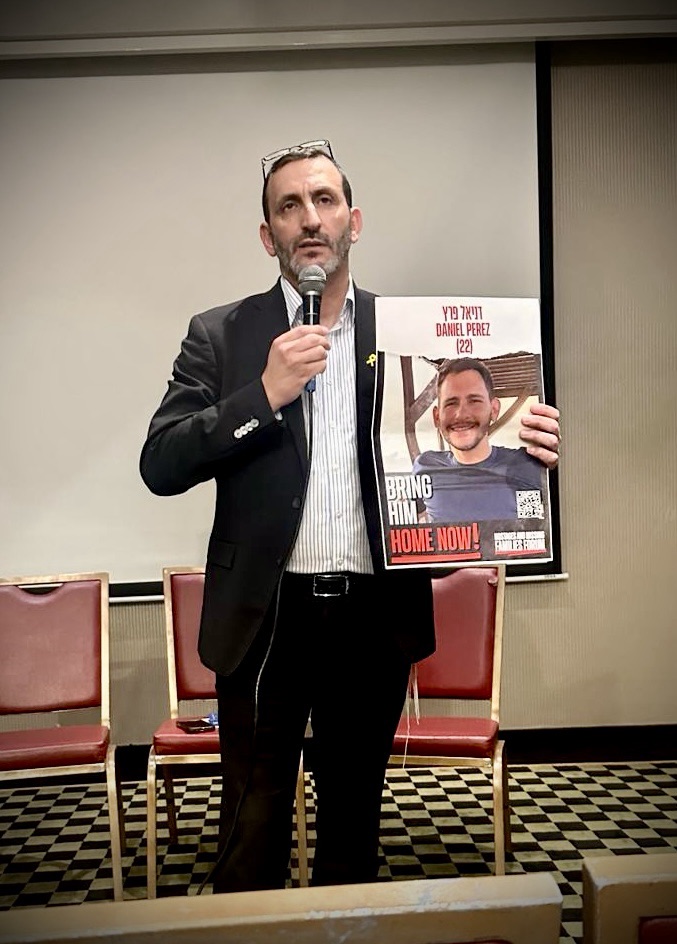
This assertion by Rabbi Perez served as a poignant reminder of the incredible challenges we face, the indescribable pain and suffering endured by many, but also of the extraordinary spirit and resilience that define us. His words encapsulated the underlying message of our entire mission: despite the adversity, the uncertainty, and the trials, there is a shared belief among us that, ultimately, everything will be OK.

Every Shabbos, when we read the haftara, we conclude with the following bracha: נֶאֱמָן אַתָּה הוּא ה’ אֱלֹקינוּ, וְנֶאֱמָנִים דְּבָרֶיךָ, וְדָבָר אֶחָד מִדְּבָרֶיךָ אָחוֹר לֹא יָשׁוּב רֵיקָם, כִּי אֵ-ל מֶלֶךְ נֶאֱמָן ורחמן אָתָּה, “You are faithful, Hashem our God, and Your words are faithful, and not one of Your words will return empty, for You are a faithful and merciful King and God.” As we conclude our reading of the words of the prophets, we affirm our faith in the prophetic visions of a hopeful future. This faith sustains us, providing a foundation of hope and resilience that, despite the current turmoil and the sacrifices that may yet be required, reassures us of a brighter future.

In our collective journey, a distinctive aspect of the Jewish experience is the deep-seated knowledge that we know “the end of the story.” This profound awareness doesn’t simplify our path or lessen the trials we encounter but rather illuminates our way with a sense of purpose and hope. The trials and tribulations, the questions and uncertainties we face, are all part of a larger narrative that we believe will culminate in a future filled with peace and unity. This knowledge, that the end of our story is one of coming together in our homeland, in a state of harmony and divine service, offers not just comfort but a resilient optimism. It reassures us that, despite the complexities and challenges of the present, the story’s end is one of fulfillment and redemption, reinforcing our faith that ultimately, everything is going to be OK.
Beyond Borders

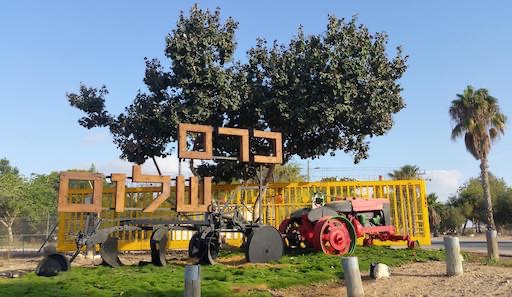
On a day focused with a sense of purpose and solidarity, our group from Bergen County set out on a journey to Kerem Shalom, nestled at the very edge of Israel’s border with Gaza. This visit wasn’t just a mark on our itinerary; it was a step towards a deeper understanding and connection with a community that stands as a living testament to strength and unity at a time of war and adversity.

Kerem Shalom, with its tranquil grounds and warm smiles, carries the weight of history and the scars of terror, notably marked by the events of October 7. Yet, amidst this backdrop of tragedy and loss, the community’s spirit of resilience and determination to forge a path of peace and togetherness shines brightly, mirroring the indomitable spirit we’ve witnessed throughout our three-day journey.

What distinguishes Kerem Shalom, however, is its foundational commitment to a mixed community of religious and secular individuals. In a society often segmented by prescribed lines of belief and practice, Kerem Shalom emerges as a cultural and social oasis, a deliberate choice by its residents to not just share a postal code but to weave their lives together in a tapestry of mutual respect and understanding.

Our conversations with community members unveiled the beautiful, sometimes comical, ways they navigate their collective life. From decisions about communal amenities to the thoughtful hosting of diverse guests, each story highlighted a microcosm of negotiation, compromise, and above all, mutual respect that defines their daily existence.

In the heart of Kerem Shalom lies a profound respect for the individuality and authenticity of each member. This community is founded on the principle that engagement and integration do not equate to changing or indoctrinating one another. The interaction among members is characterized by an open exchange of ideas and values, where learning and inspiration flow bidirectionally without the intent to alter the core essence of the other. This approach fosters a space where everyone feels valued and heard, encouraging a deeper, more meaningful connection that is based on mutual respect and the recognition that everyone has something unique to offer. (While the Kerem Shalom model is profound, it’s important to note that integrating diverse religious and cultural backgrounds poses unique challenges that require thoughtful consideration. Nonetheless, in my opinion, this approach remains a remarkable blueprint for community living.)

Departing from Kerem Shalom, it became clear that the path to a thriving future for Israel’s Jewish community hinges on a deeper understanding and integration across its varied factions. This enclave of peace, thriving amidst broader regional tensions, demonstrates that true harmony is born from embracing and bridging our differences.

The uniqueness of Kerem Shalom’s inclusive ethos in the wider Israeli landscape highlights a significant gap—an urgent need for more profound engagement among diverse groups. To achieve national unity and communal vitality, it’s essential for these different strands of identity, belief, and tradition within the Jewish community to weave together more closely, recognizing that their collective strength lies in their diversity.

The Trees of Nova

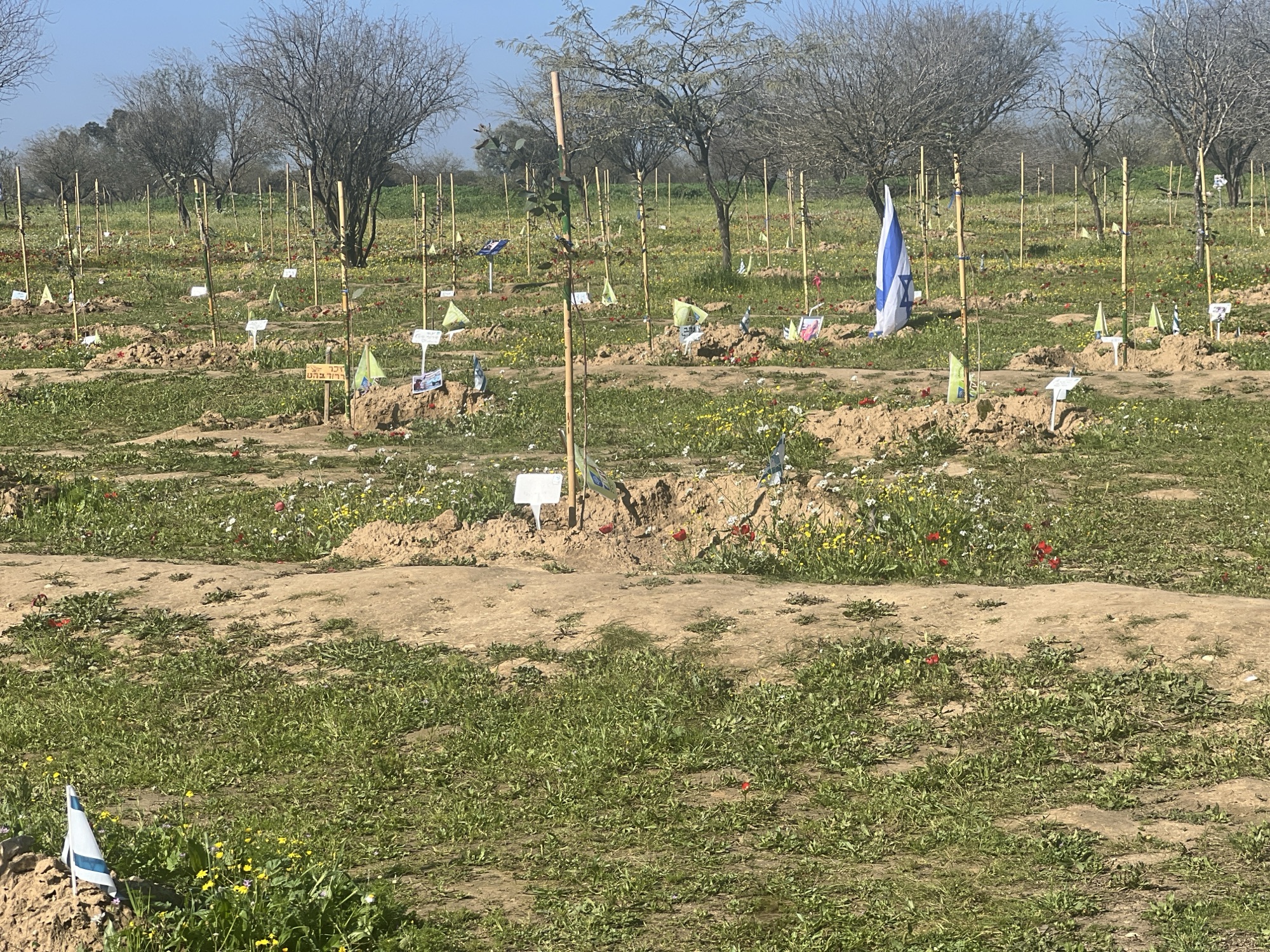
This morning, we visited the site of the Nova Massacre, where, on the morning of October 7, a sudden and horrific blitz of terror was unleashed upon thousands of young Israelis. This catastrophic event led to hundreds of deaths, numerous injuries, and the indescribable horror of savage acts of rape and kidnapping. Today, we gathered at this hallowed ground as witnesses to the largest massacre in the annals of Israel.

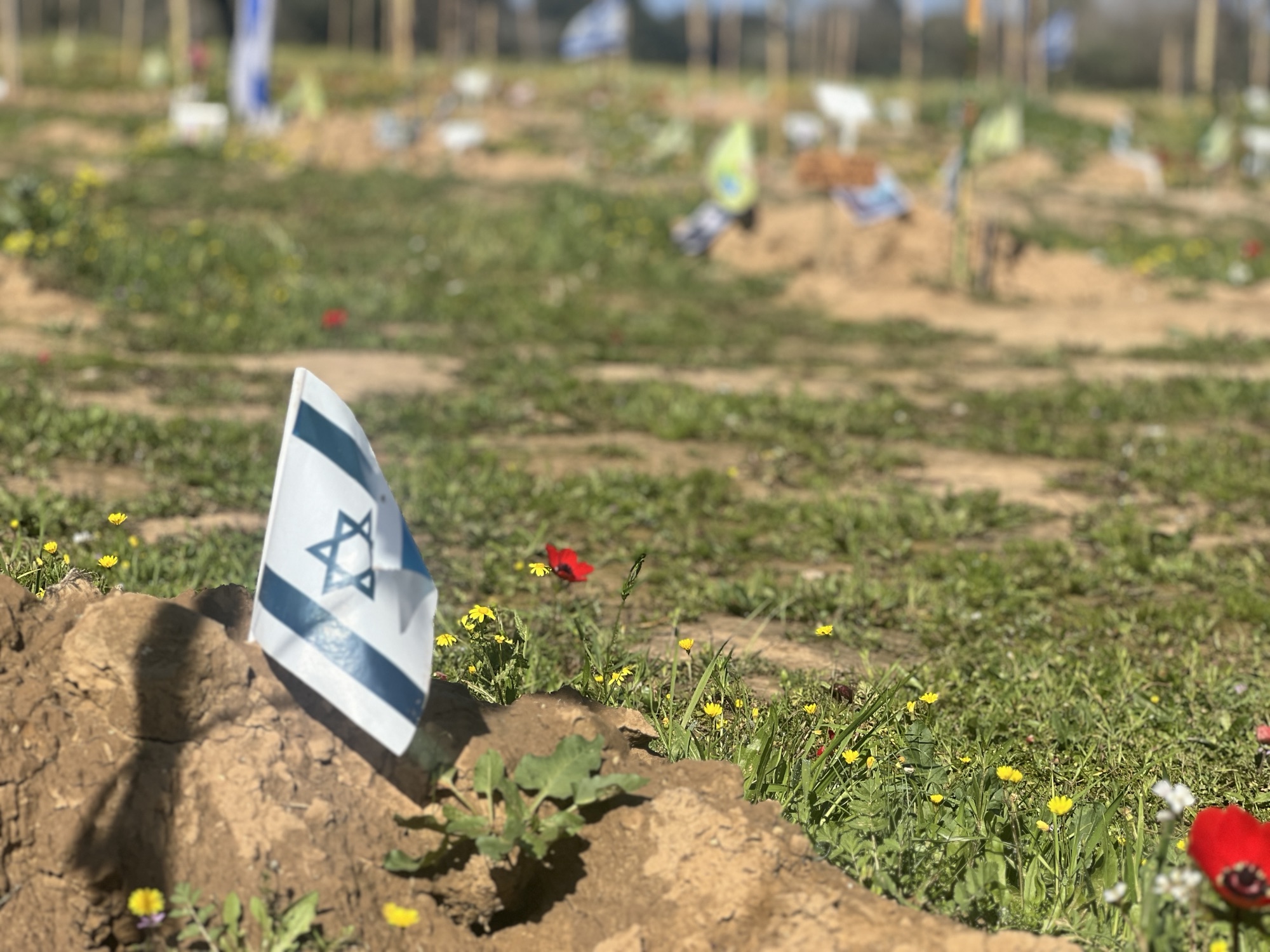
In a poignant transformation, the earth that was soaked with the blood of the innocent now provides sustenance to hundreds of trees planted in their memory. Each tree stands as a living memorial, bearing the name and embodying the spirit of an individual whose life was brutally snatched away.

כי האדם עץ השדה – the Torah draws a compelling comparison between a person and a tree, a message which is imbued with deep symbolism. Just as a tree is composed of roots, a trunk, branches, leaves, and fruit, so too is a person. This metaphor speaks to the foundational values, connections, contributions, and legacies we each hold. The roots symbolize our heritage and the depth of our beliefs, anchoring us firmly. The trunk represents our core character and strength, supporting us through life’s challenges. Branches reflect our relationships and the reach of our influence, while leaves and fruit signify our deeds and the legacy we leave behind.

Trees grow at a gradual pace, and it will take many days, weeks, months, and years for these memorial trees to tower over this sacred site. Though the physical growth may not be immediately visible, it is unceasing, with each moment contributing to the eventual majesty of these living tributes.

In a similar vein, the path to redemption is referred to as a process of צמיחה, or growth. Indeed, whenever we pray for the coming of משיח, we ask Hashem to nurture the growth of צמח דוד. Redemption is a gradual process, often imperceptible in the moment, yet constantly unfolding. Just as these trees will one day stand tall and strong, symbolizing resilience and renewal, so too will the spirit of our nation, nurtured by the memories of those we’ve lost and the collective resolve to build a future in our Land.

At the sacred site at Nova, where terror once reigned, a forest of memorial trees rises, symbolizing the path to redemption. Each growing tree, dedicated to a lost life, reflects our unwavering belief in the process of גאולה, an ever-unfolding process of development and growth, קימעה קימעה, moving forward, one step at a time.

Never Stop Moving

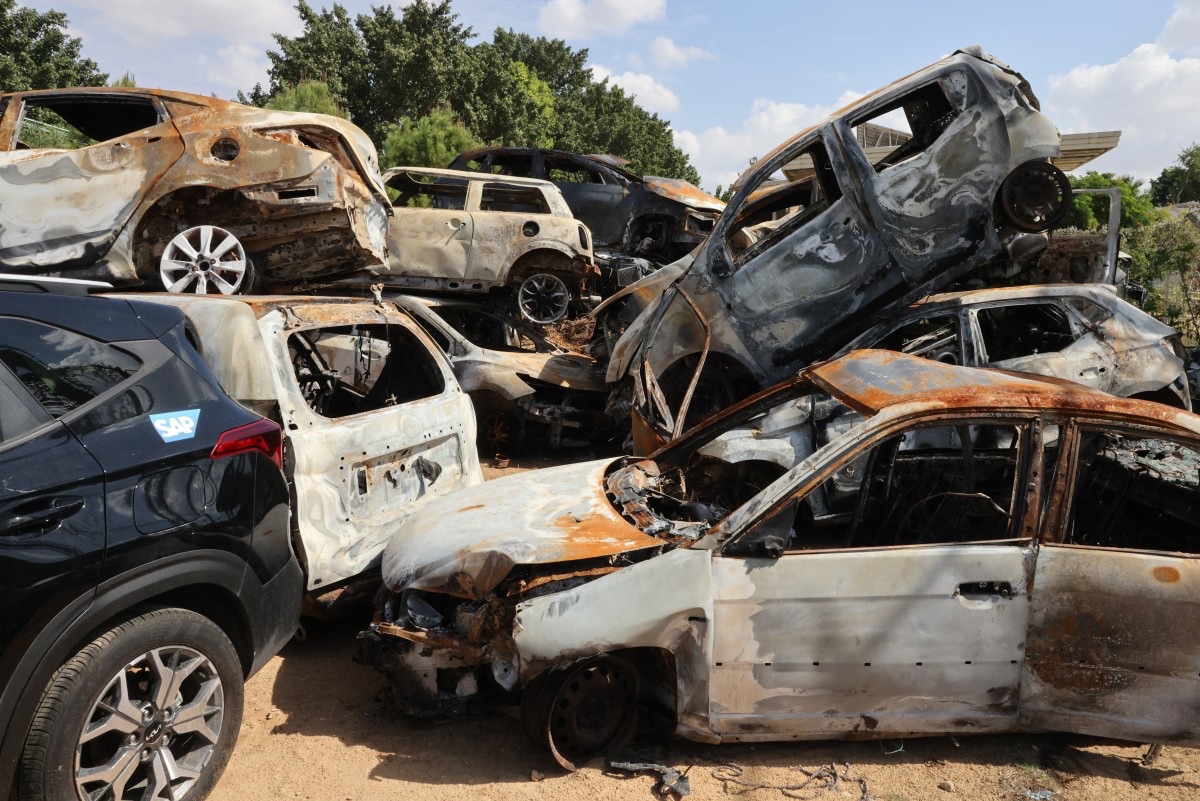
Walking through the car graveyard, where hundreds of vehicles lay in ruins, a stark reminder of the terror inflicted by Hamas, one cannot help but reflect on the profound carnage and destruction of October 7. Each destroyed car, a symbol of halted journeys and shattered lives, serves as a poignant testament to the abrupt cessation of movement—a core aspect of human existence, where people are referred to as הולכים (“those who move”) in contrast to angels, who are עומדים (,”those who stand”).

In Torah thought, this distinction between הולכים and עומדים is significant. It underscores the dynamic nature of human life, our inherent drive for progress, and our perpetual journey towards growth and improvement. The concept of movement is deeply ingrained in our essence, reflecting not only physical displacement but also spiritual and emotional growth. The tragedy of October 7, with its stark interruption of this movement, brings into sharp focus the devastating impact of Hamas’ invasion, not only on the physical structures of our world but, more profoundly, on the human spirit. The cars in this graveyard, each with its own story of interrupted journeys and unfulfilled potentials, are a somber reminder of the lives that were abruptly destroyed.

As we move beyond this place, the imperative for us, as הולכים, becomes clear. We must carry forward the legacy of those whose journeys were so unjustly ended, to continue moving in a world that sometimes seeks to halt our progress. The tragedy of the car graveyard serves as a potent reminder of our responsibility to keep moving, to keep growing, and to never allow ourselves to become עומדים, paralyzed by fear or despair. We honor the memory of those lost by embracing the essence of הולכים, by continuing to move forward, to evolve, and to contribute to the healing and growth of our world.

Reconsidering Our Comfort Zones

Visiting the Shura Army Base in Israel provides a profound reflection on the resilience and dedication of those who serve in one of the most heart-wrenching roles within the military: the identification and preparation of fallen soldiers for their final journey home. This task, imbued with a profound sense of duty and respect for those who died על קידוש השם, demands a level of emotional and psychological fortitude that is hard to fathom. Since October 7, the soldiers at the Shura Base have faced days that have been intensely more demanding and emotionally taxing than any they have collectively experienced before.

Confronting the aftermath of battle and the personal toll it exacts brings forth a torrent of emotions and questions. One might wonder, “How do they manage? Could I ever bear such a burden?” These are natural contemplations, stemming from a place of empathy and self-reflection. Indeed, not everyone is equipped to handle the direct consequences of terror and war; the horror and tragedy of such circumstances require a particular kind of courage and strength that only some possess.

However, the visit to such a place should extend beyond mere observation; it should challenge us to introspect about our own capacities and limitations. It should prompt us to consider what it means to step out of our comfort zones. The individuals serving at the Shura Base are not mythical heroes; they are ordinary people performing extraordinary acts under the most challenging circumstances. This realization serves as a catalyst, urging us to ponder over what we, too, can endure or achieve when pushed beyond our perceived limits.

The question then becomes not if we could do exactly what they do, but rather what our own version of stepping out of our comfort zone looks like. For some, it might be volunteering for a cause that addresses a pressing issue, despite the discomfort it might bring. Others might find it in the pursuit of a dream or goal that seems daunting, requiring them to face fears of failure or judgment. Or perhaps it’s in the simple act of kindness and understanding toward someone from a completely different background, bridging gaps and building connections in small but significant ways.

The essence of pushing beyond our comfort zones lies in the willingness to confront the unknown, to face our fears, and to grow from the experiences that challenge us. The soldiers at Shura exemplify this principle in a context that few of us will ever directly encounter, but their courage and commitment can inspire us all to consider how we might move beyond our own boundaries, in whatever form that may take

The Sixth Stage

This morning, over 120 members of the Teaneck/Bergenfield community commenced a three-day solidarity mission to Israel, in response to the harrowing months of war that have deeply affected our nation. This communal effort is rooted in a collective desire to offer support and stand shoulder-to-shoulder with those who have been directly impacted by these challenging times.

The opening of our mission was marked by the exceptionally moving words of Jen Airley. She shared the deeply personal story of her son, Binyamin, who tragically fell in Gaza several months ago. Her courage and strength in the face of such loss deeply resonated with us all, serving as a powerful testament to the human cost of conflict and the remarkable resilience of those who endure it.

As we immerse ourselves in the Israeli community, it is evident that the conventional five stages of grief—denial, anger, bargaining, depression, and acceptance, as introduced by Elisabeth Kübler-Ross—don’t fully encompass their collective experience. The unending nature of this war has led to a complex process of grieving, where individuals often find themselves navigating all five stages simultaneously.

However, in this complex landscape of grief, we observe an additional, profound stage: resilience. The resilience of the Jewish community in Israel adds a remarkable dimension to the grieving process, reflecting an enduring spirit and hope. This resilience, characterized by a collective determination to rebuild and move forward, highlights the incredible strength and will to persevere despite the ongoing challenges.

Witnessing this resilience at the beginning of our mission is profoundly inspiring. It paints a narrative of human endurance and adaptability, showcasing the capacity of the human spirit to not only withstand adversity but also to emerge stronger. The stories of courage, solidarity, and unwavering optimism that we encounter underscore the indomitable nature of the human will.

As we move forward with our mission over the next several days, we are prepared to witness the varied stages of grief that weave through the fabric of this nation’s experience. But we must also take note of this special endowment – the sixth stage of resilience, gifted to us by God Himself, as reflected in the words “ה’ עוז לעמו יתן” – “Hashem gives strength to His people.”

Echoes of Yesterday, Visions of Tomorrow

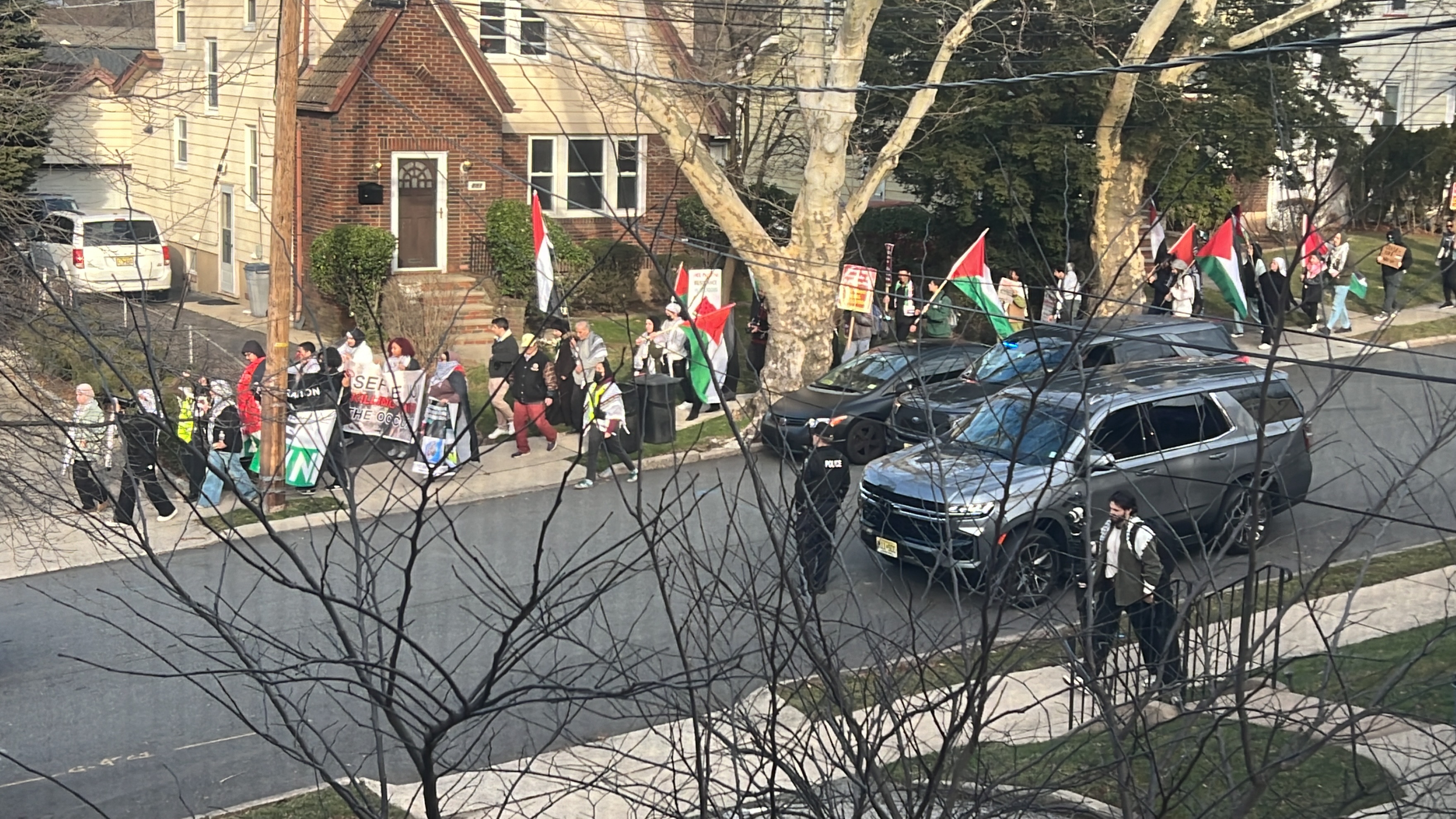
Last Friday, as I was preparing for Shabbos, I heard unusual sounds outside my home. Curious about the commotion, I peered out the window and, to my surprise, witnessed a pro-Palestinian parade marching down my otherwise quiet and unremarkable street. Chanting anti-American and anti-Israel slogans, it felt as though I was observing this from a distance, like watching a movie set in a time and place far removed from my own. The images and sounds seemed eerily familiar, not because I had witnessed them outside my home before, but because they were reminiscent of moments in my people’s past. And here I was, watching it unfold in real-time.

In 1903, Rav Meir Simcha of Dvinsk (1843–1926), published his novella on the Torah, known as Meshech Chochma. In this work, Rav Meir Simcha outlines a cycle of Jewish history that repeats approximately every 100 to 200 years, characterized by a pattern of migration, settlement, assimilation, and eventual exile. Initially, Jewish refugees arrive in a new country, establishing communities, and focusing on both material and spiritual development. This successful integration leads to a sense of belonging within the host country, but eventually, this sense of security is disrupted by rising hostility, culminating in a crisis that forces the community to seek a new refuge, thus restarting the cycle.

This cyclical pattern serves a purpose; it is a means to maintain the Jewish people’s connection to Hashem and to propel them toward their ultimate destiny, highlighting the challenges of maintaining a distinct cultural and spiritual identity in the face of assimilation pressures and the ever-present potential for redemption.

Rav Meir Simcha noted the deep sense of comfort and belonging many European Jews felt in their adopted countries, with some in Berlin even likening their city to Jerusalem, suggesting they viewed it as their ultimate home. This sentiment, expressed in a time of relative peace, carries a poignant foresight, given the tragic events that unfolded in the decades following 1903. Rav Meir Simcha’s reflections serve as a somber reminder of the unpredictable tides of history, echoing through time and foreshadowing future challenges.

This week, I have the privilege to join over 120 members of the Teaneck/Bergenfield community, on a solidarity mission to Israel. Although it has not yet started, there is a profound sense of unity and anticipation. This impressive gathering, dedicated to offering support and finding inspiration, reinforces our deep connection to our heritage and the Land of Israel. It serves as a comforting reminder that we have a sanctuary that connects us to our past and invites us toward a shared future.

Standing by my window last Friday, the unexpected parade was a vivid contrast to the sense of unity and purpose we’re finding here in Israel. It’s comforting to realize that, despite the shifts we face back home, Israel stands as a place of hope, offering us all a sense of belonging and a chance for a new beginning. I hope that our mission reinforces our community’s resilience and our deep bond with our homeland, reminding us that Israel is always there, ready to welcome us back.