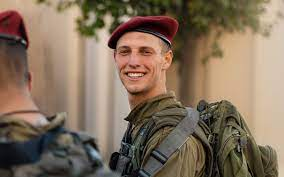
Visiting the Shura Army Base in Israel provides a profound reflection on the resilience and dedication of those who serve in one of the most heart-wrenching roles within the military: the identification and preparation of fallen soldiers for their final journey home. This task, imbued with a profound sense of duty and respect for those who died על קידוש השם, demands a level of emotional and psychological fortitude that is hard to fathom. Since October 7, the soldiers at the Shura Base have faced days that have been intensely more demanding and emotionally taxing than any they have collectively experienced before.
Confronting the aftermath of battle and the personal toll it exacts brings forth a torrent of emotions and questions. One might wonder, “How do they manage? Could I ever bear such a burden?” These are natural contemplations, stemming from a place of empathy and self-reflection. Indeed, not everyone is equipped to handle the direct consequences of terror and war; the horror and tragedy of such circumstances require a particular kind of courage and strength that only some possess.
However, the visit to such a place should extend beyond mere observation; it should challenge us to introspect about our own capacities and limitations. It should prompt us to consider what it means to step out of our comfort zones. The individuals serving at the Shura Base are not mythical heroes; they are ordinary people performing extraordinary acts under the most challenging circumstances. This realization serves as a catalyst, urging us to ponder over what we, too, can endure or achieve when pushed beyond our perceived limits.

The question then becomes not if we could do exactly what they do, but rather what our own version of stepping out of our comfort zone looks like. For some, it might be volunteering for a cause that addresses a pressing issue, despite the discomfort it might bring. Others might find it in the pursuit of a dream or goal that seems daunting, requiring them to face fears of failure or judgment. Or perhaps it’s in the simple act of kindness and understanding toward someone from a completely different background, bridging gaps and building connections in small but significant ways.
The essence of pushing beyond our comfort zones lies in the willingness to confront the unknown, to face our fears, and to grow from the experiences that challenge us. The soldiers at Shura exemplify this principle in a context that few of us will ever directly encounter, but their courage and commitment can inspire us all to consider how we might move beyond our own boundaries, in whatever form that may take